March 10, 2026
Foundation contractors play a pivotal role in preserving the structural integrity of buildings. Their expertise ensures that the most critical part of any structure, its foundation, is built to last and remains free from debilitating issues. Whether it is a commercial edifice or a residential dwelling, the foundation is essential for safety and value. Recognizing signs of potential problems early is crucial, as is employing a skilled contractor. This article delves into how these professionals prevent and address structural damage, providing invaluable peace of mind to property owners.
1. Understanding the Role of a Foundation Contractor
Defining the role of a contractor involves understanding the technical and managerial aspects they handle. These professionals oversee the planning, execution, and review of foundation work to ensure the stability of the structure. Foundation contractors must possess in-depth knowledge of materials, construction techniques, and engineering principles relevant to various types of foundations. Their job is multifaceted, requiring coordination, problem-solving skills, and robust project management abilities. The ultimate goal is to mitigate risks that could compromise the building's structural integrity.
To practice as a contractor, specific qualifications and certifications are typically required. This often includes a combination of formal education in civil engineering or construction management and practical, hands-on experience in the field. Industry-recognized certifications can also lend credibility, indicating proficiency in the latest foundation repair techniques and safety standards. Continuing education is encouraged to stay abreast of advancements in materials and technology. This rigorous training ensures contractors are well-equipped to tackle both common and complex foundation issues.
2. Identifying Potential Foundation Issues
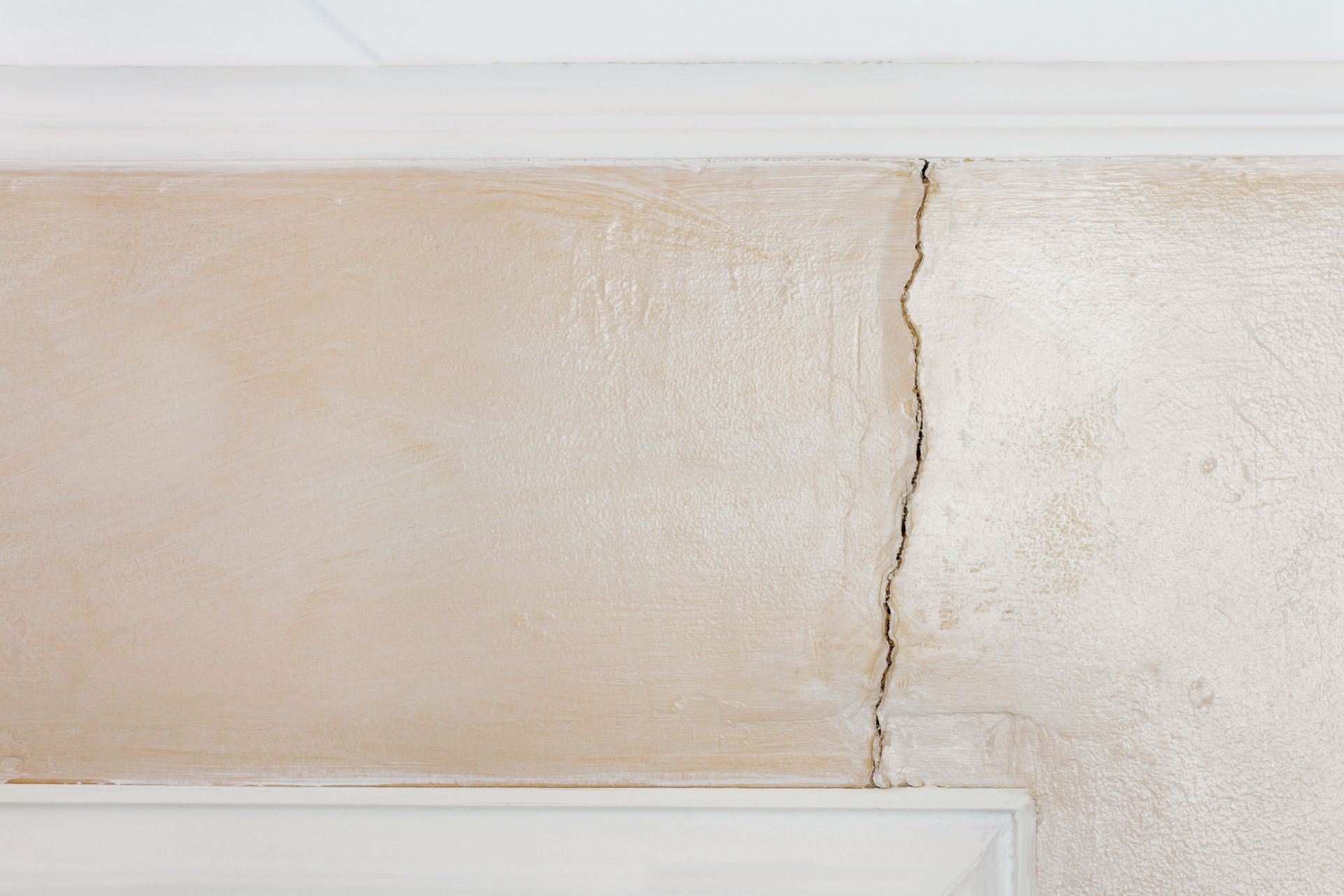
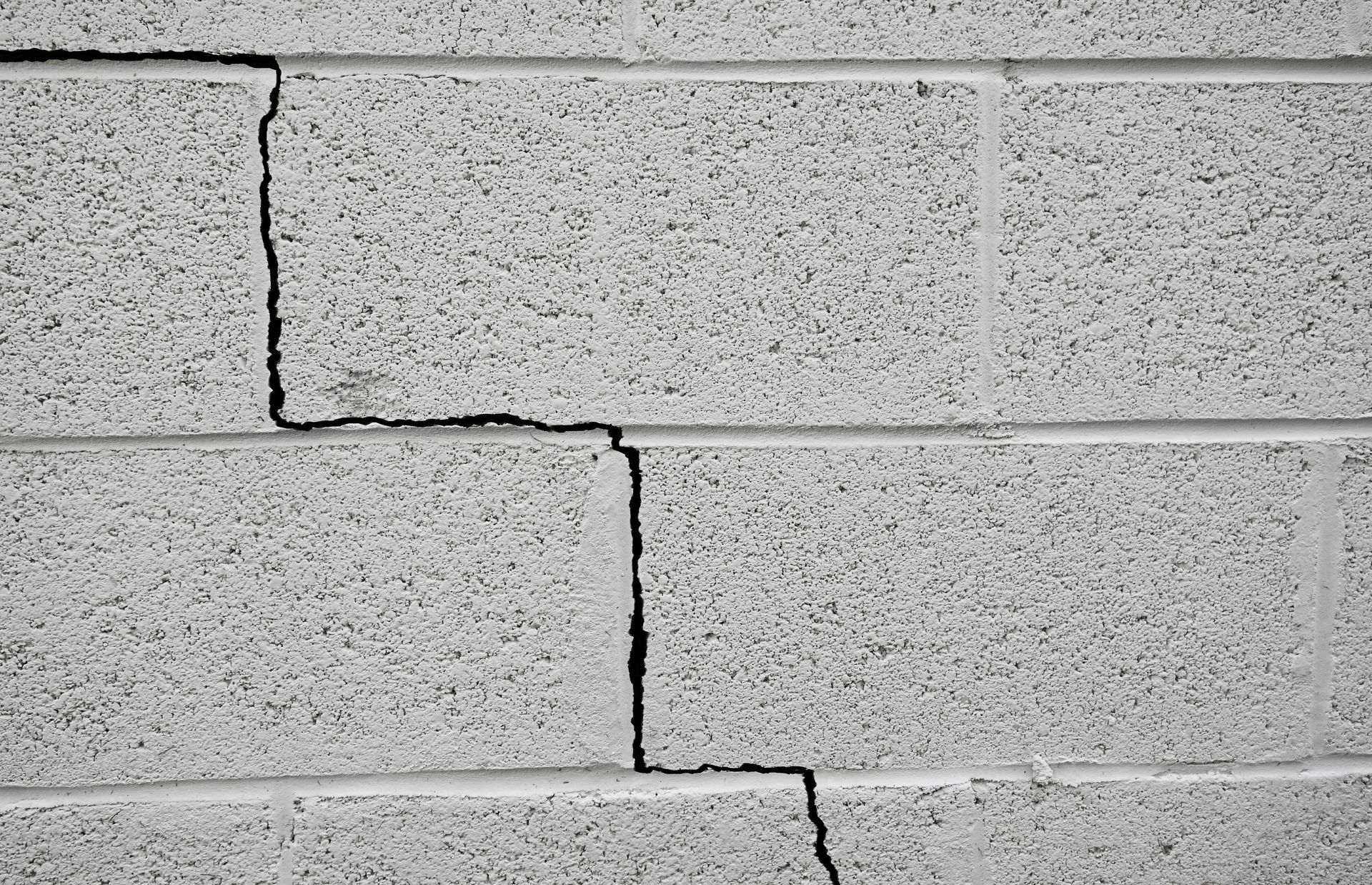
Detecting early signs of foundation problems is crucial for preventing long-term damage. Homeowners may notice telltale signs such as cracks in the walls or floors, sticking doors or windows, and uneven or sloping floors. These symptoms can indicate underlying issues that, if unaddressed, might escalate into severe structural damage. According to 2-10, 25% of American homeowners experience structural foundation issues, underscoring the importance of early detection and intervention. Effective identification of potential problems can save time and resources while preserving the property’s structural integrity.
Foundation contractors employ various tools and technologies to accurately assess foundation health. Traditional methods like visual inspections are complemented by advanced techniques such as ground-penetrating radar and laser levels. Moisture meters and inclinometers help detect shifts and assess moisture levels in the soil, which can affect foundation stability. By utilizing these technologies, contractors can pinpoint specific issues and devise targeted intervention strategies. Such precision in diagnosis is critical for implementing effective repair and prevention measures.
Several factors contribute to foundation damage, with geological and environmental conditions playing significant roles. Soil type and quality are major influencers; expansive clay soil, for example, can expand and contract with moisture changes, leading to foundation shifts. Poor drainage is another common culprit, as excessive moisture can erode the soil and destabilize foundations. Additionally, geological phenomena like earthquakes and landslides present significant risks. Understanding these causes is essential for developing comprehensive solutions tailored to specific site conditions.
3. Learning Preventive Measures and Early Intervention
Proactive maintenance and regular inspections are integral to preventing foundation issues. Scheduled inspections allow contractors to detect early signs of damage or stress and address them promptly. Implementing tailored maintenance plans, including cleaning and checking drainage systems, can mitigate risks before they become serious problems. These preventative strategies extend the life of the foundation, thus protecting the building’s overall structural integrity. Homeowners benefit from reduced repair costs and improved property value in the long term.
Effective drainage systems are critical in safeguarding foundations from water-related damage. A well-designed drainage system channels water away from the building, reducing soil erosion and pressure on the foundation. Foundation contractors may recommend gutters, downspouts, and French drains as solutions to direct water flow appropriately. Ensuring that these systems are regularly maintained and free from blockages is vital for optimal function. Proper drainage significantly decreases the likelihood of moisture-related foundation damage, protecting the building’s integrity.
Soil stabilization is another essential measure that foundation contractors can implement to prevent structural damage. Techniques such as chemical injection, soil compaction, or using geotextiles can improve soil bearing capacity and reduce susceptibility to movement. These methods strengthen the soil, providing a stable base for the foundation. In regions with expansive clay, these stabilization techniques are particularly vital. By enhancing soil stability, contractors reduce the risk of shifting and settlement that can compromise structural soundness.
4. Implementing Repair Solutions
When foundation issues arise, implementing effective repair solutions becomes imperative to reinforce the structure. Structural reinforcement techniques such as wall anchors and carbon fiber strips provide additional support and distribute loads more evenly. These methods strengthen weak points and help prevent further deterioration of the foundation. Contractors assess the specific needs of each structure to choose the most suitable reinforcement method. Properly executed repairs restore stability and extend the life of the building.
Foundation underpinning is a common remedial technique used to stabilize foundations that have shifted or settled unevenly. Contractors employ various underpinning methods, such as mass concrete underpinning or the use of steel piers, depending on site conditions and the extent of damage. These techniques support the existing foundation, providing lift or additional depth where required. Successful underpinning alleviates stress on the building and prevents further movement. By fortifying weak areas, underpinning ensures the continued safety and usability of the structure.
For cracks and fractures in the foundation, injection molding with epoxy or polyurethane is an effective repair method. This solution fills and seals cracks to prevent water infiltration and further expansion. Injection molding not only restores the foundation's integrity but also minimizes the risk of moisture-related deterioration. Contractors carefully choose materials based on crack size, location, and the foundation material to ensure durability. Timely intervention with such techniques significantly mitigates risk and safeguards the building.
5. Collaborating with Other Professionals
Successful foundation maintenance and repair necessitate collaboration with engineers and architects. These professionals provide insights into structural design and load-bearing calculations to ensure that repairs enhance rather than compromise integrity. Foundation contractors work closely with these experts to develop strategies that align with broader architectural goals. This cross-disciplinary cooperation ensures that all aspects of the building’s support system are effectively considered. Such teamwork fosters innovation and helps achieve lasting solutions that safeguard structural soundness.
Consulting with geotechnical experts is essential for addressing soil-related foundation issues. These specialists assess soil behavior, composition, and load-bearing capacity, offering critical data that informs remedial measures. Understanding site-specific geological factors enables contractors to choose the most appropriate methods and materials for foundation repair and prevention. Engagement with geotechnical engineers ensures that solutions are tailored to local conditions, enhancing effectiveness. This collaboration is vital for mitigating the risks posed by natural soil variations.
Foundation contractors are indispensable guardians of a building’s structural health, combining technical expertise, advanced diagnostics, preventive planning, and targeted repair solutions to protect properties from costly and dangerous damage. From identifying early warning signs to reinforcing weakened structures and collaborating with engineers and geotechnical experts, their work ensures long-term stability, safety, and peace of mind for homeowners and business owners alike. Investing in professional foundation services is not just about fixing problems—it’s about preserving the value and integrity of your property for years to come.
If you’ve noticed cracks, uneven floors, or drainage concerns, don’t wait for minor issues to become major repairs—reach out to Reliable Foundations today for a thorough inspection and proactive solutions that keep your structure strong and secure.