September 1, 2026
A thoughtfully designed patio can transform an ordinary backyard into a comfortable extension of the home. Whether the goal is outdoor dining, entertaining guests, enjoying quiet mornings, or creating a place for family gatherings, the right design can make the space feel purposeful and inviting.
Creating a successful outdoor area involves more than selecting a location and pouring a surface. The patio should work with the home’s architecture, complement the surrounding landscape, and provide enough room for the activities that matter most to the household.
Define the Patio’s Purpose
Before making design decisions, consider how the patio will be used most often. A homeowner who enjoys outdoor meals may prioritize space for a dining table, while someone who prefers relaxing outside may want an arrangement centered around comfortable seating.
Entertaining can require additional flexibility. Guests need room to move between seating areas, doors, walkways, and other outdoor features without making the space feel crowded. Planning around those movements can make the finished patio more comfortable.
Think about how the space might be used during different seasons as well. A patio that works for morning coffee may also become a gathering area for evening meals or a convenient place for enjoying pleasant weather.
Concrete patios can accommodate many different outdoor activities because their layouts can be planned around the homeowner’s needs. Establishing the primary purpose early makes it easier to determine the appropriate shape, placement, and surrounding features.
Choose the Right Location
Patio placement can influence everything from convenience to comfort. A location near a frequently used entrance can make carrying food, drinks, and other items outside easier, especially when the space is regularly used for meals or gatherings.
The relationship between the patio and the rest of the yard also deserves consideration. A carefully positioned outdoor area can create a natural transition between the home, garden, lawn, and other landscape features.
Sun exposure is another important factor. Some homeowners may prefer an area that receives abundant sunlight, while others may want afternoon shade. Existing trees, neighboring structures, and the orientation of the home can all affect outdoor comfort.
Privacy should also be considered before settling on a location. Fencing, vegetation, garden beds, and other landscape elements may help create separation from neighboring properties while making the patio feel more secluded.
Drainage is equally important. The patio should be planned with surrounding grades and water movement in mind so that rainfall does not collect against the home or create persistent problems across the outdoor living area.
Plan the Patio’s Shape
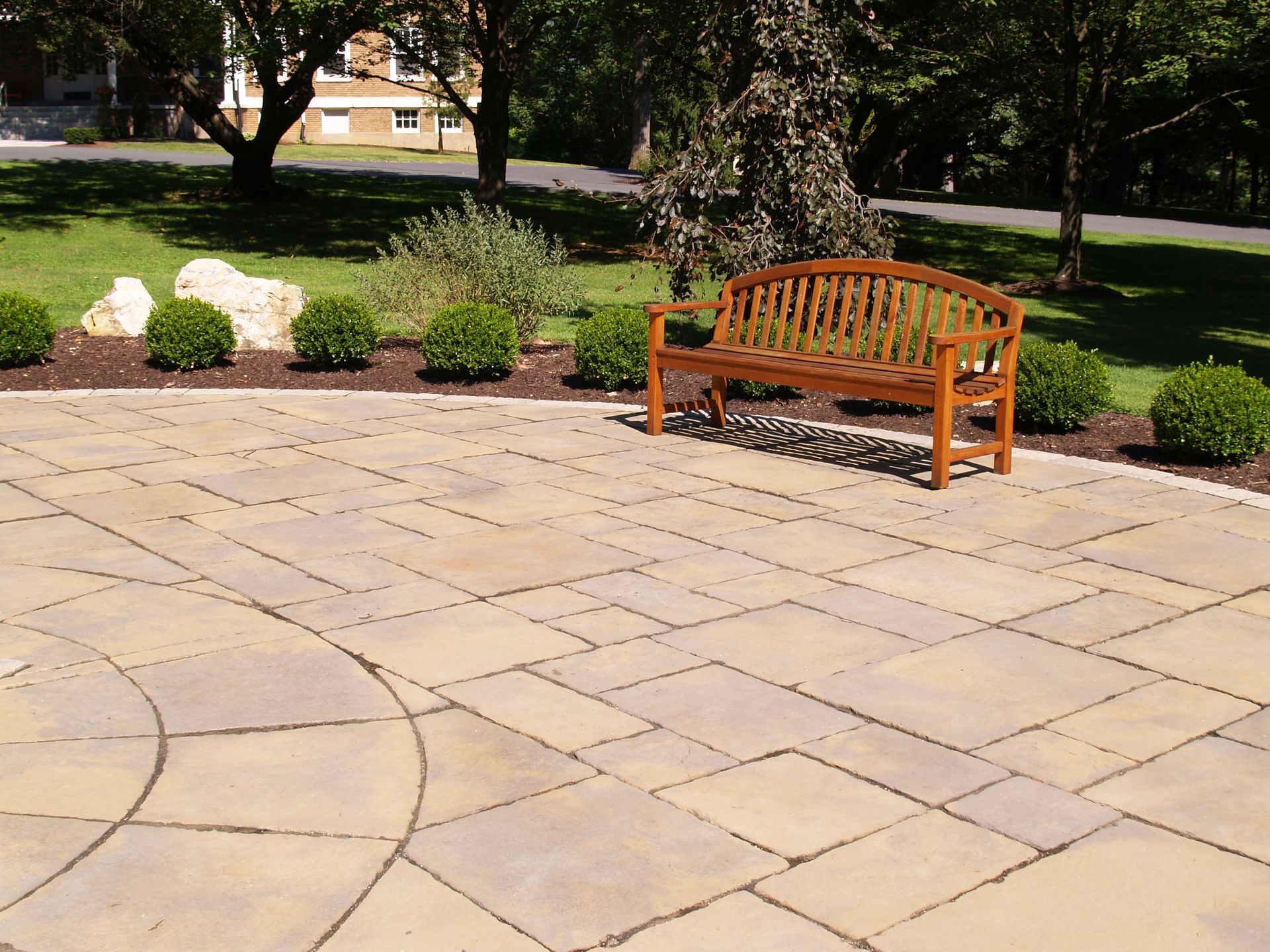
The shape of the patio should support its intended function while complementing the property. A straightforward layout may create a clean, organized appearance, while curved edges or more customized designs can blend naturally with an informal landscape.
The home itself can provide useful design inspiration. Straight architectural lines may pair well with a structured patio, while a property with softer landscaping may benefit from a layout that incorporates more gradual transitions.
Furniture should be considered before the shape is finalized. A patio can appear spacious when empty but become difficult to navigate once chairs, tables, grills, planters, and other features are added.
Creating distinct areas can also improve usability. A dining space can be separated visually from a conversation area without requiring walls or permanent partitions. Changes in furniture arrangement, surface patterns, or surrounding landscaping may help define each area.
Select a Complementary Finish
The finish of a patio can influence the character of the entire outdoor area. A simple surface can provide a clean backdrop for landscaping and furniture, while a decorative finish may become a more prominent visual feature.
Consider the materials already present around the home. Exterior walls, brick, stone, walkways, retaining features, and landscaping can all provide clues about which patio appearance will feel cohesive with the property.
A complementary finish does not necessarily have to match every surrounding material. Instead, the goal can be to create visual harmony. Similar tones, textures, or design characteristics may connect the patio with the existing architecture.
Texture can also affect the experience of the surface. A finish with visual variation may add character, while a more understated appearance can keep attention focused on furniture, plants, outdoor structures, or other focal points.
The surrounding landscape should remain part of the design conversation. Plantings can soften hard edges, create privacy, and introduce natural color around the patio. Thoughtful landscaping can help integrate the finished surface into the broader yard.
Consider Comfort and Function
A patio should be enjoyable to use, not simply attractive to look at. Seating, shade, lighting, and access can all influence whether the space becomes a frequently used part of the home.
Shade is particularly valuable for outdoor areas that receive substantial sunlight. Trees can provide natural coverage, while appropriately positioned structures can offer additional protection and define the character of the space.
Lighting can extend the usefulness of the patio into the evening. Subtle illumination around seating areas, pathways, entrances, or landscaping can improve visibility while contributing to the atmosphere of the outdoor space.
Concrete patios can provide a durable foundation for furniture, entertaining areas, decorative features, and outdoor activities. Their versatility allows the design to be tailored to the property instead of forcing the homeowner to work around a predetermined layout.
Consider these practical elements during the planning process:
- Comfortable seating arrangements
- Convenient access from the home
- Appropriate shade throughout the day
- Lighting for evening activities
- Adequate space around furniture
- Proper drainage and water management
- Landscaping around the patio edges
Each consideration contributes to the overall experience.
Account for Maintenance
Long-term maintenance should be considered during the design stage rather than after construction. Choosing practical finishes and allowing convenient access around the patio can make routine cleaning and upkeep easier.
The surrounding landscape can influence maintenance requirements as well. Trees may provide welcome shade but can also drop leaves and debris onto the surface. Garden beds can enhance the appearance of the patio while requiring regular attention.
Furniture placement can make maintenance easier or more difficult. Leaving reasonable access around permanent features allows homeowners to clean the surface and inspect surrounding areas without constantly moving heavy objects.
According to This Old House, a properly cared-for concrete patio can remain usable for as long as a century. Regular maintenance and timely attention to developing issues can help preserve the surface and support its long-term performance.
Maintenance should also be considered when selecting decorative elements. Features that require extensive upkeep may not be appropriate for every household. A design that looks attractive but demands more attention than homeowners want to provide may become burdensome over time.
Plan for Long-Term Enjoyment
The best patio designs account for how outdoor needs may change. Furniture preferences can evolve, families can grow, and new outdoor activities may become part of the household routine.
Leaving enough flexibility in the layout can make future adjustments easier. A patio designed around a single piece of furniture or one specific activity may become restrictive if the homeowner’s priorities change.
Think about potential additions before finalizing the surrounding space. Landscaping, outdoor seating, shade structures, lighting, decorative features, and entertainment elements may become part of the area later.
The patio should also feel connected to the rest of the property. A sudden transition between the home and outdoor space can make the design feel disconnected, while coordinated materials and landscaping can create a smoother visual relationship.
Concrete patios can serve as a foundation for a wide range of design ideas, allowing homeowners to create outdoor areas that reflect their lifestyles and properties. The most successful designs typically combine practical planning with an appearance that feels natural to the setting.
For a patio project built around the needs of the property, contact Reliable Foundations and turn the outdoor space into something worth enjoying.