March 3, 2026
When it comes to maintaining the value and safety of a home, the foundation plays an essential role. A compromised foundation can lead to severe structural issues that can be costly and lengthy to repair. Concrete foundation repairs are a crucial aspect of home maintenance that homeowners should not overlook. It's vital to understand the importance of maintaining a strong foundation, as it significantly impacts a home’s structural integrity. This article will guide homeowners through the process of identifying, evaluating, and repairing concrete foundation issues to ensure their homes remain safe and sound.
Understanding Foundation Problems
Common Causes of Foundation Issues
The foundation of a home can be affected by a variety of factors. Environmental elements, like water and soil movement, are primary contributors. Tree roots and poor drainage can exacerbate these problems by affecting soil stability. Additionally, construction defects, such as inadequate support and improper site preparation, often lead to foundation problems. Repairing these issues requires understanding their origin, which involves looking at both construction and environmental factors.
Signs and Symptoms of Foundation Damage
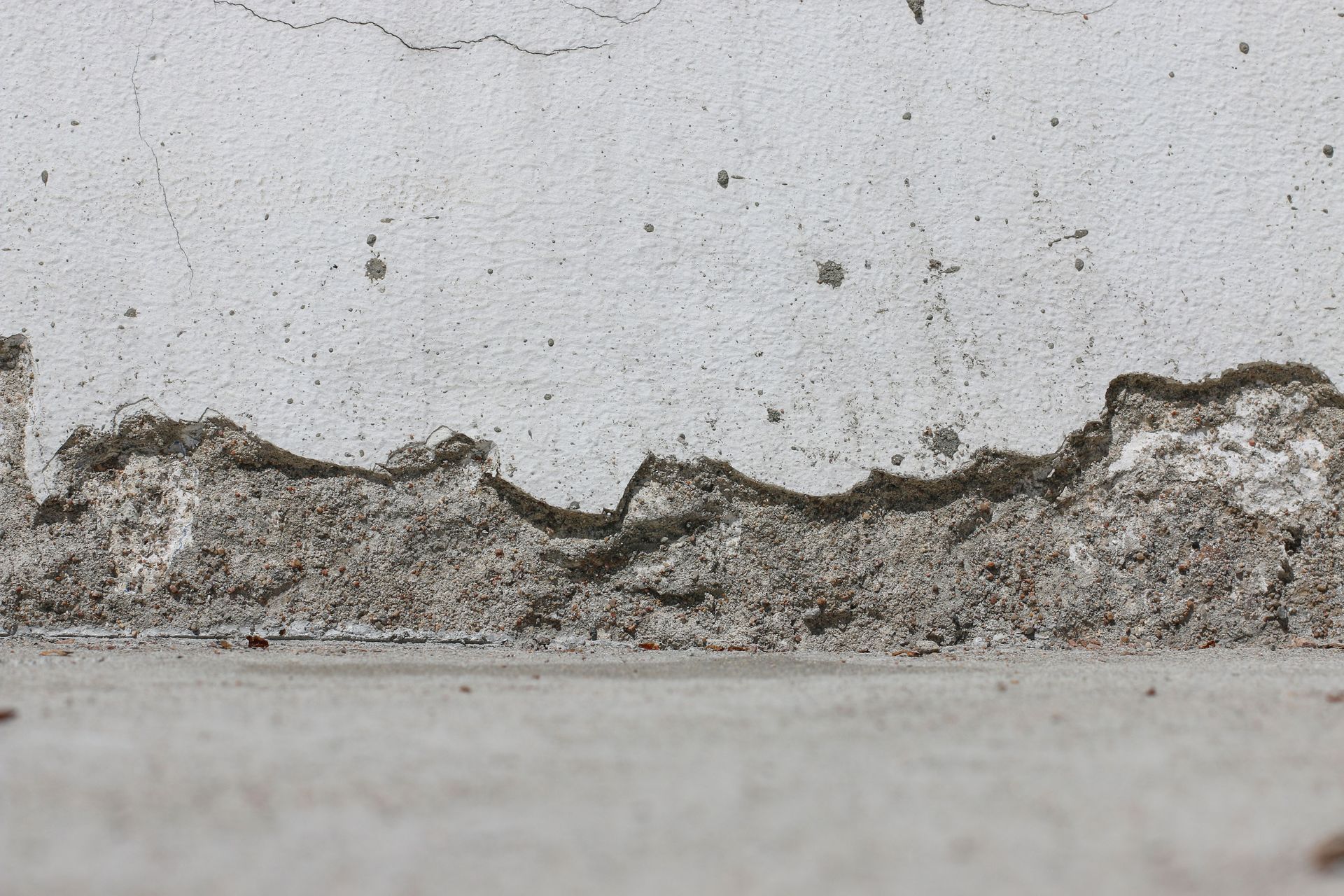
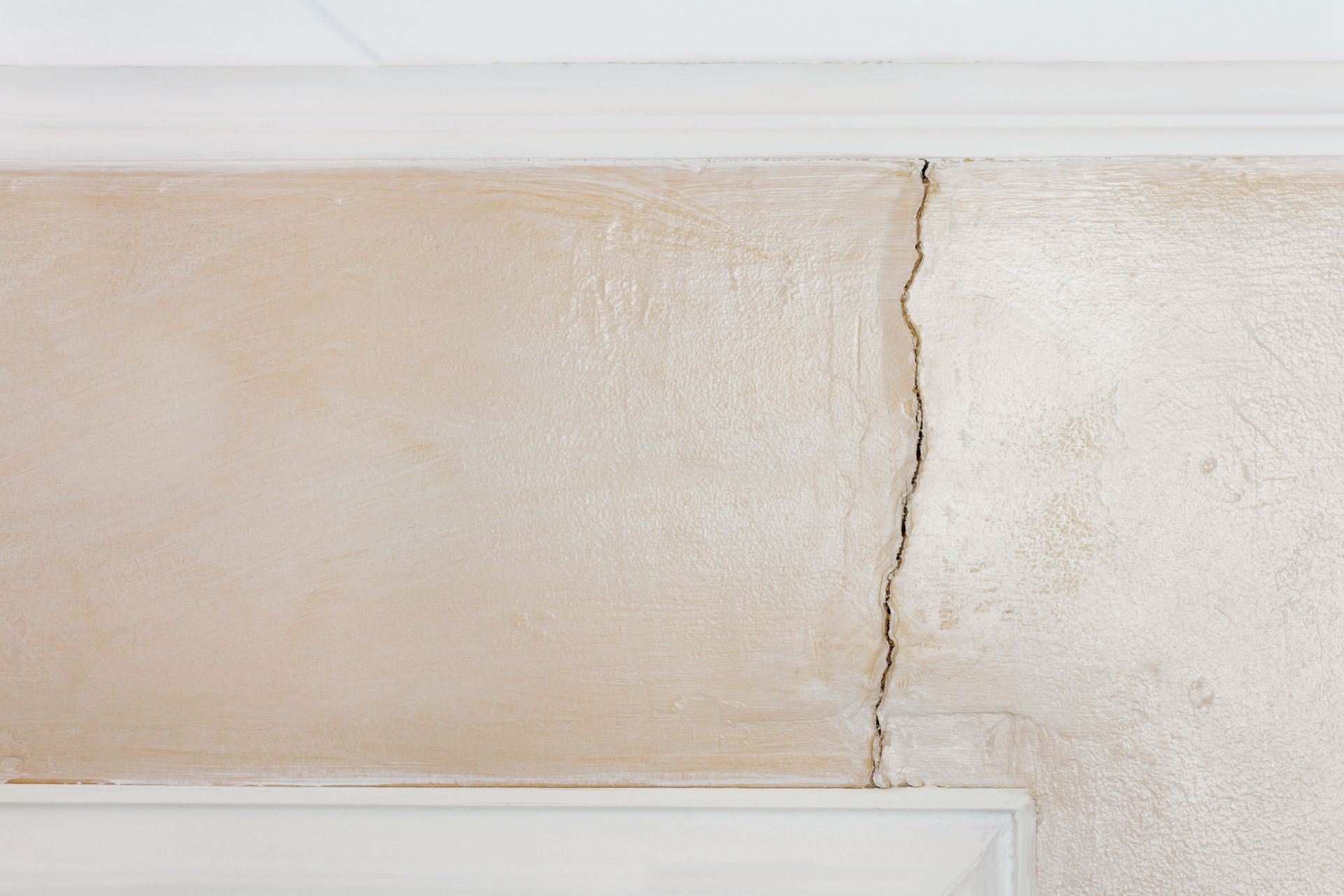
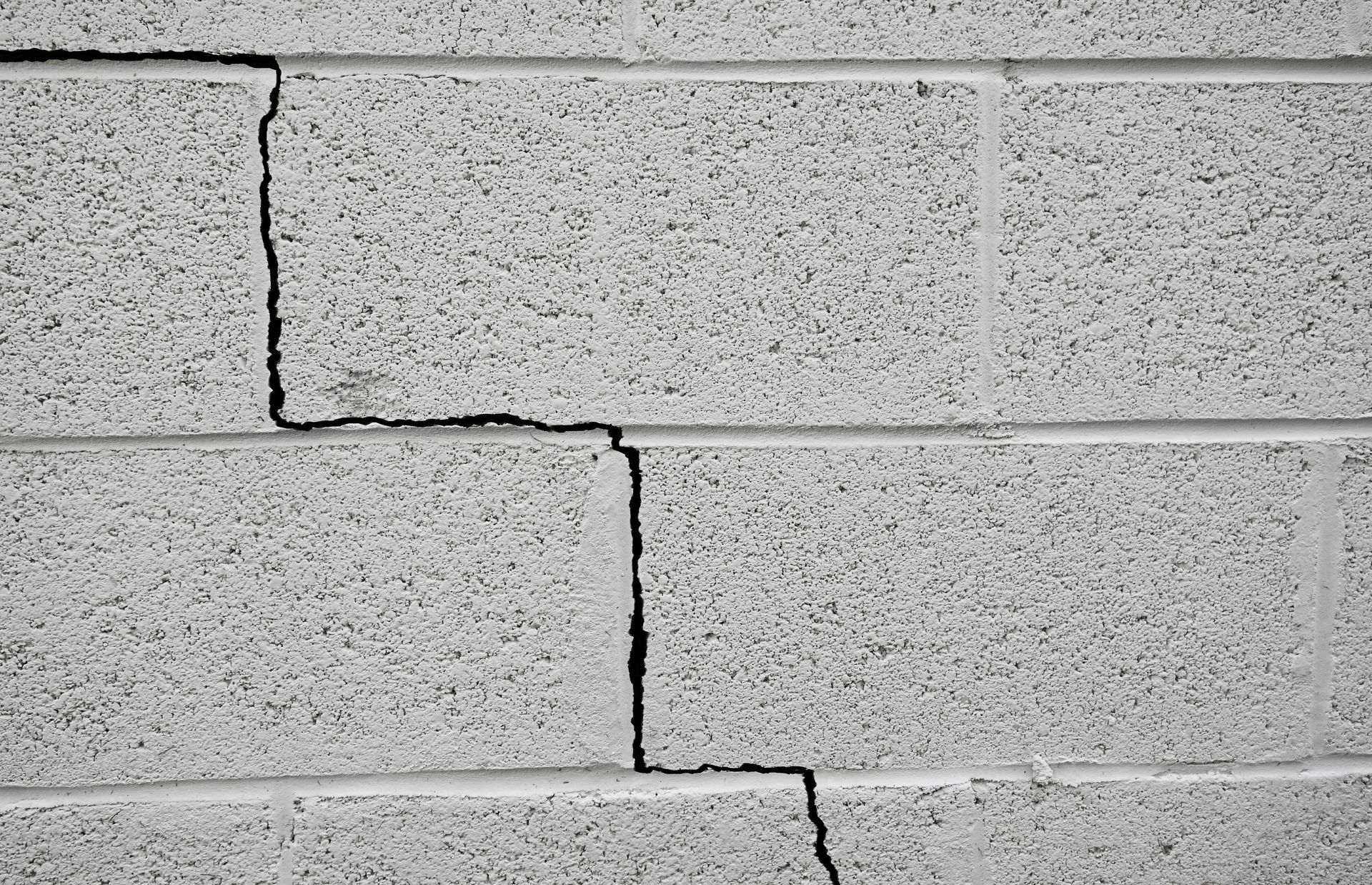
Early detection of foundation damage can prevent more severe problems from developing. Homeowners should look for cracks in walls and ceilings, doors and windows that stick or do not close properly, and sloping floors. Additionally, cracks in the foundation or basement walls and gaps around exterior doors or windows indicate potential problems. Cracking noises within the home can also signify ongoing foundation settlement. Recognizing these symptoms early can save homeowners both time and money.
Types of Foundation Used in Homes
Different types of foundations provide various levels of support and stability for homes. The most common types include slab foundations, crawl space foundations, and basement foundations. Slab foundations, while affordable, require careful soil preparation, as they do not provide the structural depth of other types. Crawl space foundations allow for easier access to utilities and are popular in areas prone to flooding. Basement foundations provide additional living space and are commonly used in colder climates. According to HomeGuide, concrete lasts 30 to 40 years and handles hot climates better than asphalt, making it a durable choice for many homeowners.
Evaluating the Extent of Damage
Hiring a Structural Engineer
Structural engineers play a key role in accurately diagnosing foundation problems. Their expertise is crucial in formulating a repair plan that addresses both the symptoms and the underlying causes of the damage. Structural engineers conduct thorough inspections and use advanced tools to measure movement and stress on the foundation. Homeowners should seek engineers with relevant experience in residential foundation issues. Their assessments form the basis for effective and sustainable repair solutions.
Tools and Technology for Damage Assessment
Assessing foundation damage requires a blend of traditional techniques and advanced technologies. Structural engineers often use tools like laser levels to detect out-of-level conditions in the home. Moisture meters are used to assess water content in the soil and potential water-related damage to the foundation. Technological advancements, such as ground-penetrating radar, provide a deeper understanding of subsurface conditions. These tools enable precise assessment, ensuring a thorough understanding of the foundation's condition.
Interpreting Assessment Results
Once an assessment is completed, interpreting the results determines the next steps in the repair process. Engineers provide detailed reports that outline the observed damage, potential causes, and recommended solutions. It is essential for homeowners to review these reports carefully and understand the implications of the findings. In some cases, multiple repair options may be suggested, each with varying costs and effectiveness. Homeowners must actively participate in the decision-making process, considering both immediate needs and long-term implications.
Choosing the Right Repair Method
Slabjacking Techniques
Slabjacking is a method used to raise and stabilize sunken concrete foundations. It involves injecting a grout mixture beneath the slab to lift it back to its original position. This technique is less invasive, relatively quick, and cost-effective for addressing settling issues. Slabjacking is suitable for both residential and commercial applications, especially when access to the foundation is limited. However, its effectiveness depends on the specific conditions and severity of the damage.
Steel Piering Methods
Steel piering is a popular technique for providing long-term stabilization of foundations. It involves driving steel piers into the ground to reach stable soil or bedrock, providing a solid anchor for the foundation. This method is highly effective for homes experiencing significant settling and shifting. Steel piering is more invasive and expensive than slabjacking, but offers a permanent solution to foundation issues. Its application is ideal for cases where traditional repair methods are insufficient.
Cost Implications and Budgeting
Factors Influencing Repair Costs
Several factors influence the cost of concrete foundation repairs, including the extent of damage, repair method, and geographical location. The severity of the damage often dictates the complexity and time required for repairs, impacting costs. Different repair methods, such as steel piering, can be more costly than slabjacking or injections. Additionally, regional price variations for labor and materials further influence expenses. Homeowners should obtain multiple estimates to understand their repair cost expectations better.
Estimating Repair Expenses
Accurately estimating repair expenses involves evaluating reports from structural assessments and considering the chosen repair method. Detailed estimates provide insights into both immediate repair costs and potential long-term maintenance. It's essential to account for contingencies, as unexpected issues may arise during the repair process. Homeowners should ensure that estimates cover all facets of the repair, including labor, materials, and additional services if necessary. Proper budgeting aids in preparing for the financial aspects of foundation repairs.
Financial Assistance and Insurance
Financial assistance and insurance can alleviate the burden of foundation repair costs for homeowners. Some insurance policies may cover specific types of foundation damage, especially if caused by recognized hazards. Homeowners should review their policies and consult with insurance providers to understand coverage details. Additionally, financing options or grants may be available through government or private programs. Exploring these options ensures homeowners have access to the necessary financial resources for foundation repairs.
Selecting a Qualified Contractor
Researching Reputable Contractors
Finding a reputable contractor is vital for the success of foundation repairs. Homeowners should conduct thorough research, utilizing online directories, reviews, and recommendations. Seeking referrals from trusted sources, such as friends or family, can provide insight into contractor reliability. Checking credentials, including licenses and certifications, ensures compliance with industry standards. A reputable contractor provides transparency about their experience, process, and costs, fostering trust with clients.
Questions to Ask Potential Contractors
Engaging potential contractors in detailed discussions ensures that homeowners make informed choices. Key questions should address the contractor’s experience with similar repairs, the timeframe for project completion, and detailed cost estimates. Inquiring about warranty offerings and their terms helps understand the long-term guarantee of repairs. Homeowners should also ask about communication protocols to stay informed throughout the project. Open dialogue with contractors forms the foundation for a successful partnership.
Understanding Contractor Guarantees and Warranties
Understanding contractor guarantees and warranties plays a crucial role in the repair process. Reputable contractors often offer warranties that cover both repairs and materials. Homeowners should scrutinize the terms of warranties, ensuring they understand coverage limits and conditions. A solid warranty provides reassurance that foundation repairs are done with quality and longevity in mind. This understanding guards against potential issues and complications that may arise post-repair.
Concrete foundation repairs are essential to maintaining the structural integrity and value of a home. Homeowners who are proactive in recognizing, evaluating, and addressing foundation issues can prevent potentially severe and costly damage. This comprehensive guide offers valuable insights into understanding foundation problems, evaluating and selecting appropriate repair methods, and maintaining long-term foundation health. With professional assessments and timely repair actions, homeowners secure the safety and longevity of their investment. The long-term benefits of proactive foundation care cannot be overstated, ultimately providing peace of mind and financial savings. Learn more about foundation repair services provided by experts by contacting Reliable Foundations today!