April 23, 2026
A home's foundation is designed to provide long-term stability, but over time, natural forces can cause it to shift. When that happens, the effects are often subtle at first, gradually becoming more noticeable as structural imbalances develop. Recognizing early warning signs can help you take action before minor issues evolve into costly repairs. Understanding when house leveling may be necessary is an important part of maintaining your property's safety and value.
Environmental conditions, soil composition, and seasonal moisture changes all play a role in how a foundation performs over the years. As the ground expands and contracts, it can place uneven pressure on different areas of your home, leading to gradual settling. Without proper attention, these changes can affect everything from interior finishes to structural supports, making early awareness especially important.
Many homeowners assume that visible damage must be severe before taking action, but that is rarely the case. Small irregularities often point to larger structural concerns beneath the surface. By learning how to identify these signs early, you can determine whether professional home leveling is the right next step for your home.
1. Notice Any Changes in Your Floors
Uneven Surfaces and Sloping Areas
One of the most common indicators that a home may require house leveling is uneven flooring. Floors should feel stable and level underfoot, so any noticeable slope or dip can suggest that the foundation has shifted. This often occurs when sections of the home settle at different rates due to soil movement or moisture imbalance.
In many cases, these changes begin gradually. You may first notice a slight tilt when walking across a room or observe that furniture no longer sits evenly. Over time, these subtle shifts can become more pronounced, affecting both comfort and structural alignment. Addressing these issues early with home leveling can help restore balance before further movement occurs.
Gaps Between Flooring and Walls
Another sign tied to floor irregularities is the appearance of gaps where floors meet walls or baseboards. These separations can indicate that the structure is no longer sitting evenly on its foundation. As the home shifts, materials begin to pull apart, creating visible spaces that were not present before.
These gaps are more than cosmetic concerns. They often reflect deeper structural stress that can worsen if left unaddressed. A professional evaluation can determine whether house leveling is needed to correct the underlying cause and prevent continued separation.
Increasing Instability Over Time
Floor issues rarely remain static. What starts as a minor slope can gradually lead to widespread unevenness throughout the home. This progression is especially common in older properties. In fact, according to data cited by Rocket Mortgage, homes older than 15 years frequently begin to show signs of uneven flooring due to long-term settling.
As this instability develops, it can place additional strain on walls, ceilings, and support structures. Taking action early through home leveling can help stop this progression and restore structural integrity before more extensive repairs are required.
2. Watch for Door and Window Problems
Difficulty Opening or Closing
Doors and windows are designed to operate smoothly within their frames. When a home begins to shift, these openings can become misaligned, making them harder to open or close. This is often one of the earliest and most noticeable signs that something is affecting the home's structural balance.
You may find that doors stick, drag along the floor, or refuse to latch properly. Windows might become difficult to slide or may no longer sit squarely within their frames. These issues typically indicate that the surrounding structure has moved, signaling a potential need for house leveling.
Visible Frame Distortion
In addition to operational issues, visual changes in door and window frames can also point to foundation movement. Frames may appear warped or uneven, and gaps can develop around the edges. These distortions occur as the structure adjusts to shifting support beneath it.
While these changes might seem minor at first, they often worsen over time. Misaligned frames can lead to air leaks, reduced energy efficiency, and additional wear on hardware components. Addressing the root cause with home leveling can help restore proper alignment and prevent further complications.
Repeated Adjustments Without Lasting Results
Some homeowners attempt to fix sticking doors or windows by adjusting hinges or hardware. While this may provide temporary relief, it does not address the underlying issue. If adjustments need to be made repeatedly, structural movement is likely continuing.
This pattern is a strong indicator that the problem extends beyond surface-level fixes. A thorough inspection can determine whether house leveling is necessary to correct the foundational imbalance causing these recurring issues.
3. Look for Cracks and Structural Gaps
Cracks in Walls and Ceilings
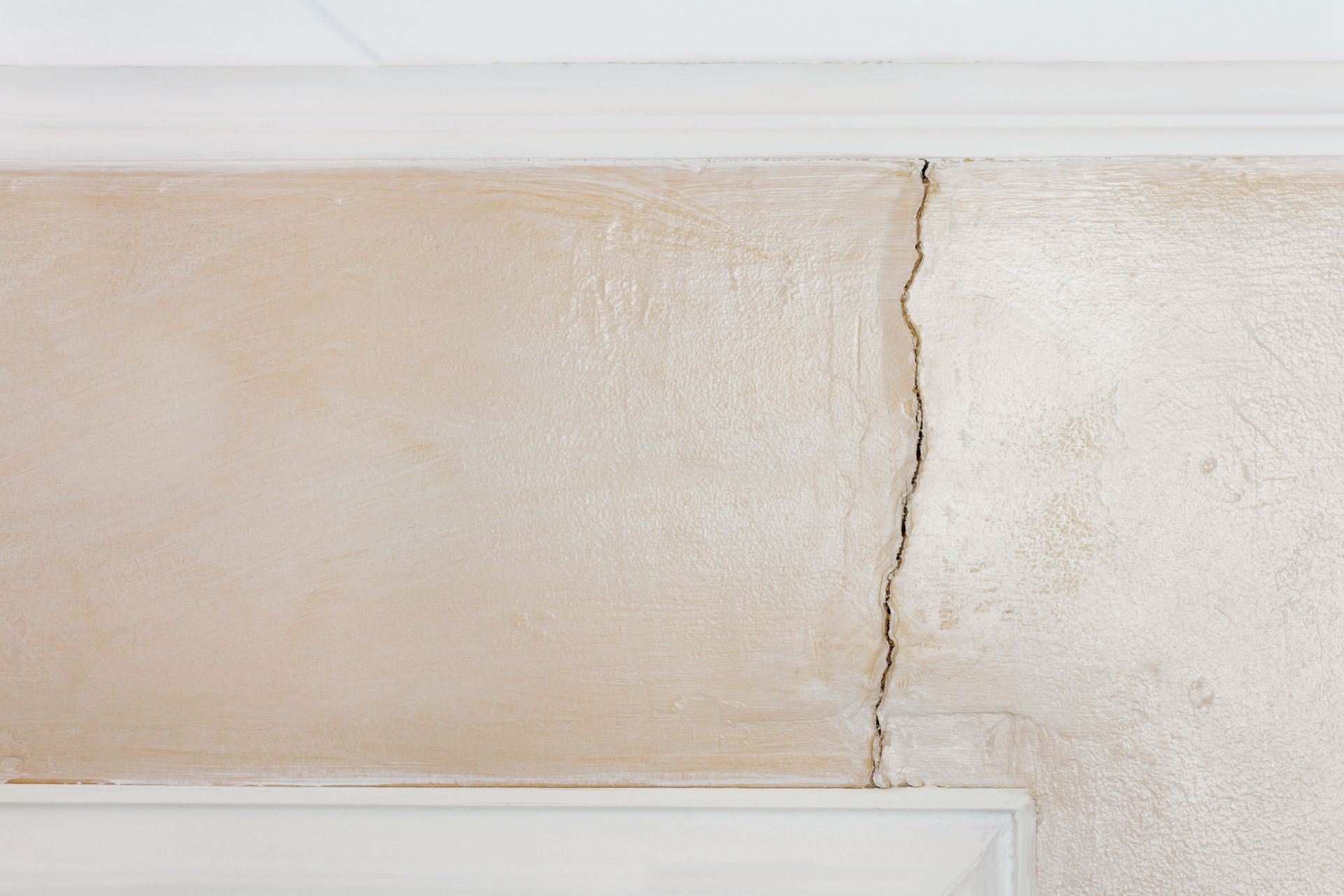
Cracks are one of the most visible signs of foundation movement. While small hairline cracks can occur naturally as materials expand and contract, larger or growing cracks often signal structural stress. These cracks may appear in drywall, plaster, or even along ceilings where different surfaces meet.
The location and direction of cracks can provide important clues. Diagonal cracks near doors and windows are particularly common when a home begins to settle unevenly. These patterns often indicate that certain areas of the structure are experiencing more movement than others, which may require house leveling to correct.
Separation Between Structural Elements
Beyond cracks, you may notice separation between different parts of the home. This can include gaps between walls and ceilings, spaces around trim, or visible shifts in exterior features like porches or chimneys. These separations occur as the foundation moves and the structure adjusts to new positions.
Such changes are not just aesthetic concerns. They often reflect significant shifts in load distribution, which can compromise the home's overall stability. Addressing these issues through home leveling can help realign structural components and restore proper support.
Foundation Cracks and Exterior Warning Signs
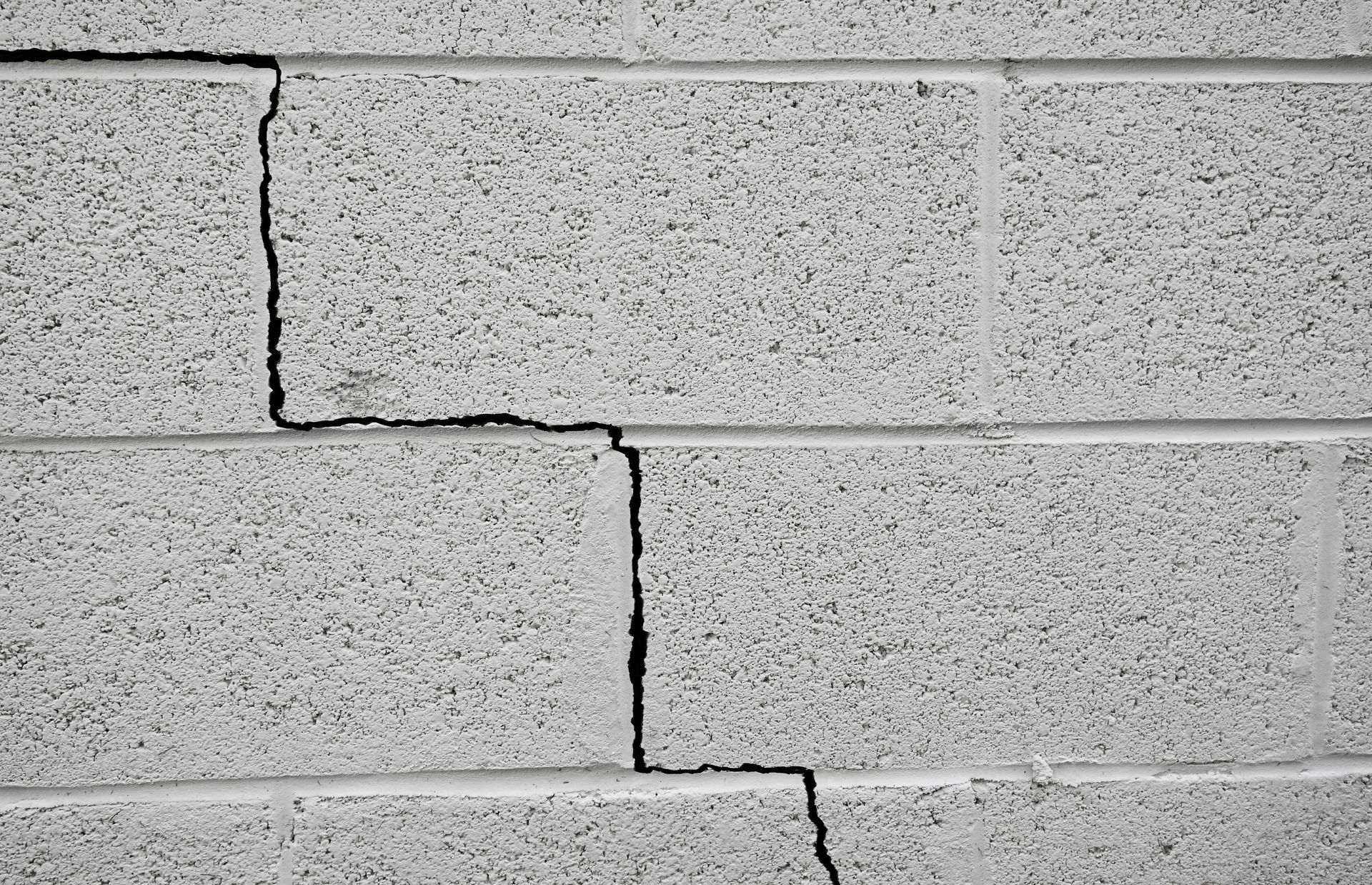
Exterior inspections can reveal additional indicators of foundation issues. Cracks in the foundation itself, uneven settling around the perimeter, or visible tilting of structural elements all suggest that the home may no longer be properly supported.
These warning signs should not be ignored. Foundation damage can progress over time, leading to more extensive and costly repairs if left untreated. A professional assessment can determine whether house leveling is needed to stabilize the structure and prevent further deterioration.
Recognizing the early signs of foundation movement is essential for protecting your home's long-term stability. Uneven floors, misaligned doors and windows, and visible cracks all point to a potential structural imbalance that should be evaluated promptly. By addressing these issues early, homeowners can avoid more extensive damage and maintain the integrity of their property.
Taking a proactive approach also helps preserve the overall condition of your home's interior and exterior features. When structural concerns are corrected early, it reduces the likelihood of recurring issues that can affect walls, flooring, and support systems. Consistent monitoring and timely action can make a significant difference in preventing minor concerns from escalating into more complex repairs.
If you notice any of these warning signs, a professional inspection can provide clarity and direction. With the right approach to house leveling, it is possible to restore balance, improve structural performance, and ensure your home remains secure for years to come. If your house is showing signs of needing to be leveled, contact Reliable Foundations today!