April 1, 2026
The foundation of your home is the backbone of its structural integrity. When problems arise, they can quickly escalate, causing costly repairs and threatening the safety of your family. Recognizing early signs of foundation issues is essential for preventing long-term damage. In this article, we will discuss the indicators that your home may need concrete foundation repairs and provide insights into addressing these problems promptly. Being proactive ensures your home remains stable, secure, and valuable. A solid understanding of your home’s foundation allows you to anticipate problems before they become emergencies, protecting both your investment and your family’s safety.
Cracking and Identifying the Type
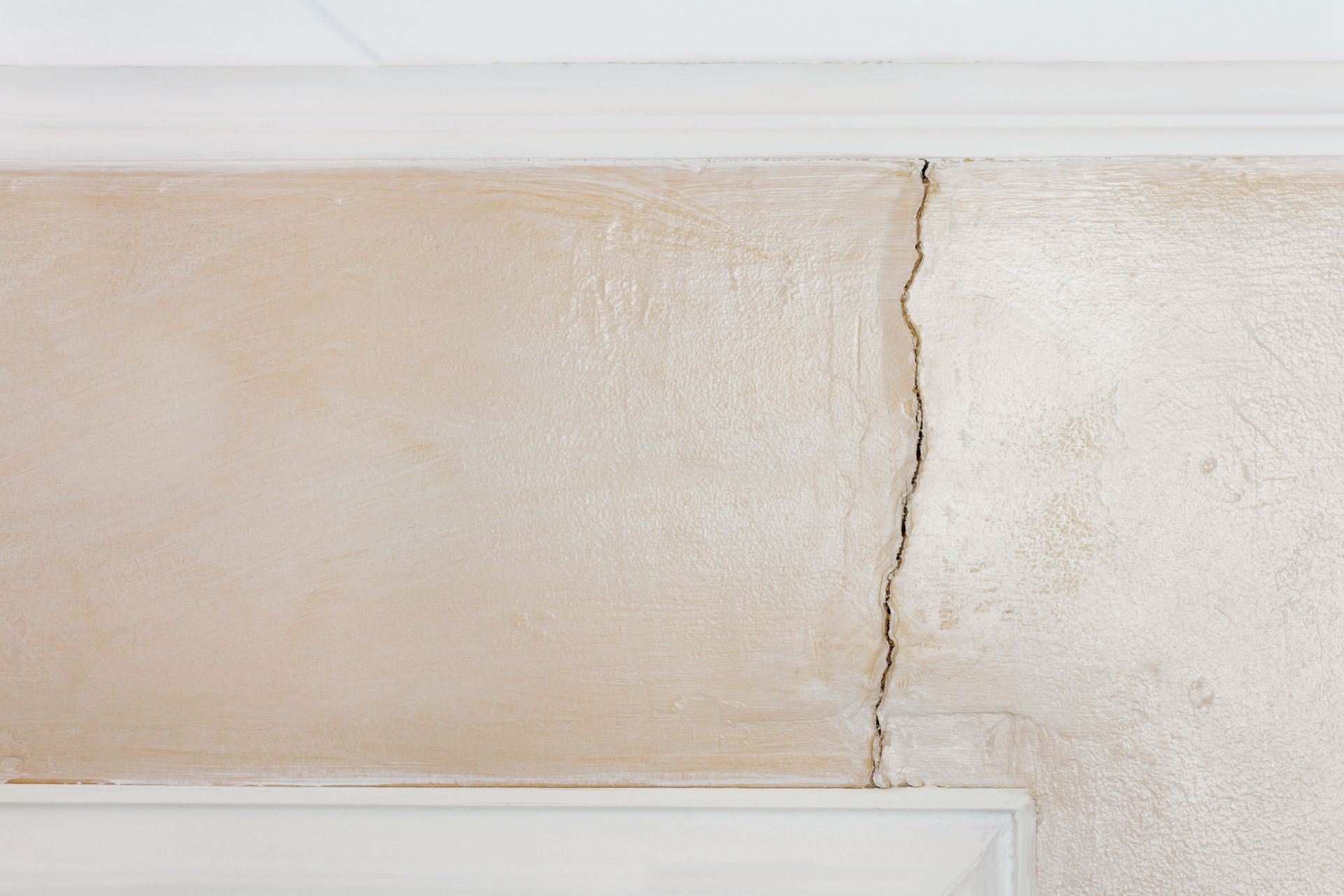
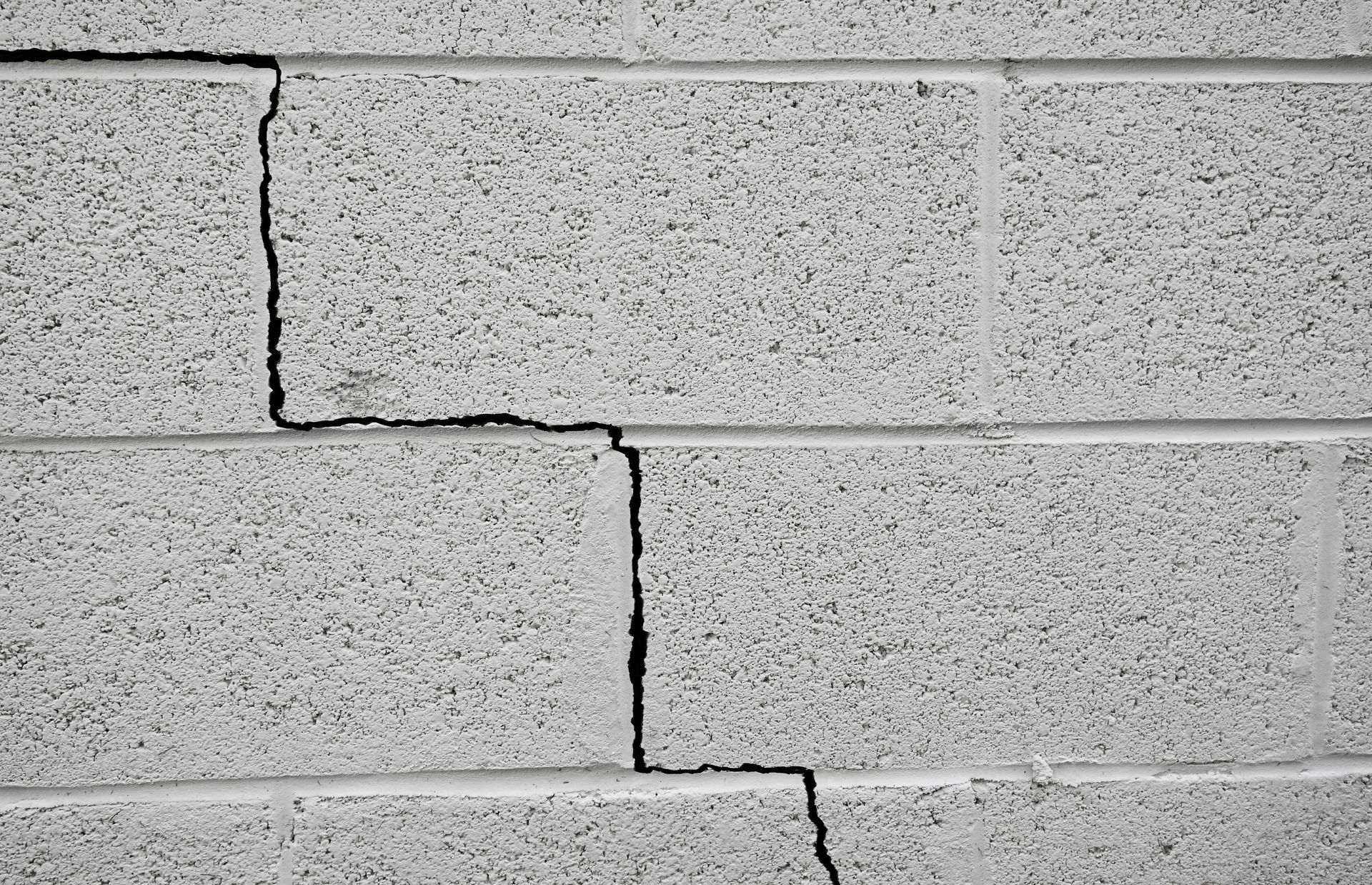
Cracks in a foundation are often the first visible sign of trouble. Vertical cracks, usually caused by natural settling, are common and often not urgent. Horizontal cracks or diagonal cracks, however, can indicate significant pressure from soil or uneven settling, signaling a more serious problem. Identifying the type of crack early is crucial in determining the appropriate repair method and in deciding whether professional intervention is needed.
Vertical cracks typically appear as narrow, straight lines and are often superficial. While they may not pose an immediate threat, they are still worth monitoring because they can indicate movement over time. Horizontal cracks, on the other hand, are more concerning. They usually result from soil pressure pushing against the foundation walls and may worsen if left unaddressed. Diagonal cracks suggest that one part of the foundation is settling differently than another, which can cause structural misalignments throughout the home. By observing where the cracks appear and their direction, homeowners can better understand the underlying issues and take appropriate action.
Monitoring Crack Growth
Observing cracks over time is a critical part of understanding the severity of foundation issues. Minor hairline cracks may remain harmless, but wider or expanding cracks are often symptomatic of ongoing structural movement. Homeowners can use simple methods such as placing markers at the ends of cracks and periodically measuring their growth with a ruler or crack gauge. This helps determine whether the crack is static or actively growing.
It’s also important to note the pattern of cracks. Multiple cracks that follow a similar direction or appear in areas of structural stress, such as near windows, doorways, or corners, may indicate a systemic issue rather than isolated settling. Tracking these changes over weeks or months provides insight into whether professional concrete foundation repairs are necessary. Timely monitoring can prevent minor cracks from escalating into significant structural problems, saving both time and money.
Environmental and Soil Effects on Foundations
Environmental factors can play a major role in the health of your foundation. Soil types, weather conditions, and water levels all contribute to potential issues. Expansive clay soils, for instance, swell when wet and shrink when dry, exerting significant pressure against the foundation walls. Seasonal temperature fluctuations can also cause concrete to expand and contract, leading to stress and potential cracking. Recognizing these factors can help homeowners take preventative measures to protect their foundation.
Changes in moisture levels from prolonged rain or drought can exacerbate existing cracks or settlement issues. Poor drainage, clogged gutters, or improper grading around the home can allow water to pool near the foundation, increasing the risk of soil movement. Landscaping practices such as planting large trees near the home may also affect soil stability as roots draw moisture and can disturb the ground. Understanding the interplay between soil, water, and temperature helps homeowners anticipate potential foundation problems and take preventative action before extensive repairs are required.
Evaluating Age and Foundation Type
The age of a foundation is another critical factor in understanding potential repair needs. Older foundations may not have been constructed with modern techniques or materials, making them more prone to cracking and wear. Over time, natural settling, material degradation, and environmental stress can contribute to issues that may require professional attention. Regular inspections are essential for identifying problems early, especially in older homes.
The type of foundation also impacts how it ages and what problems are likely to occur. According to Fox Blocks, common foundation types include basements, crawlspaces, and concrete slabs, each with distinct vulnerabilities. Basements often face moisture-related problems, which can lead to mold and wall cracking. Crawlspaces may be susceptible to pest intrusion and uneven settling, while concrete slabs can experience cracking due to soil movement beneath the slab. Knowing your foundation type allows for better monitoring and more targeted maintenance strategies, helping prevent serious structural issues over time.
Detecting Settlement Through Floors, Doors, and Windows
Settlement occurs when the soil beneath a home shifts, causing parts of the foundation to sink or tilt. Uneven floors, doors that stick or fail to close properly, and misaligned windows are common indicators. These signs point to underlying foundation problems that, if unaddressed, may worsen over time. Early detection through careful observation of these areas can prevent more extensive repairs later.
For example, furniture that seems to tilt or items that roll across floors indicate uneven settling. Small gaps around windows and doors may appear, and wall cracks can begin to form near these openings. By regularly inspecting these aspects of the home, homeowners can identify settlement issues before they create larger structural problems. Professional assessments often involve leveling measurements and soil evaluation to determine the cause and extent of movement. Addressing settlement early with the correct concrete foundation repairs ensures the home remains safe, functional, and visually appealing.
Preventing and Repairing Water Damage
Water intrusion is one of the most common contributors to foundation problems. Signs include visible water stains on walls or floors, persistent dampness, mold growth, and musty odors in basements or crawlspaces. Excessive moisture can weaken the soil supporting the foundation, leading to shifting, cracking, and long-term instability. Detecting these issues early is critical for preventing more serious structural damage.
Proper drainage is key to reducing water-related foundation issues. Gutters and downspouts should direct water away from the home, and landscaping should slope away from the foundation. Interior plumbing also plays a role, as leaks can contribute to soil saturation beneath the foundation. Homeowners should conduct regular inspections and maintenance, repairing plumbing issues promptly and ensuring exterior drainage systems function effectively. By combining preventative measures with timely repairs, the risk of water damage to the foundation can be significantly reduced.
Choosing the Right Repair Methods
Concrete foundation repairs range from minor crack sealing to more extensive stabilization methods. Epoxy injections can effectively seal small cracks and prevent water intrusion, while significant settlement issues may require underpinning, installation of piers, or slabjacking to lift and stabilize sunken areas. Selecting the correct method is essential to address the underlying causes rather than just the symptoms of foundation problems.
Professional repair services provide expertise, equipment, and materials that ensure lasting results. Certified specialists can assess the foundation thoroughly, identify the root cause, and recommend a repair plan tailored to your home. They may also offer warranties and guarantees, giving homeowners peace of mind. While DIY repairs may handle minor issues temporarily, professional interventions ensure that repairs are effective and durable. Choosing the right repair approach protects the home’s structural integrity and value over the long term.
Recognizing the signs of foundation damage—cracks, settlement, water intrusion, or aging materials—is critical for maintaining your home’s safety and value. Acting promptly with appropriate concrete foundation repairs prevents minor issues from escalating into major structural concerns. Regular inspections, professional guidance, and proactive maintenance form the foundation of a resilient home. For reliable, long-lasting support, trust Reliable Foundations to protect your property and ensure peace of mind.