June 3, 2026
Maintaining the structural integrity of a residential property is one of the most critical responsibilities of ownership, yet many homeowners overlook the silent shifts occurring beneath their feet. Over time, environmental factors, moisture fluctuations, and natural soil movement can cause a foundation to settle unevenly, threatening the safety and value of the entire structure. When doors begin to stick, walls display prominent cracks, and floors develop noticeable slopes, it becomes necessary to look into professional interventions that restore the equilibrium of the building. Understanding the precise steps involved in this complex stabilization process can demystify the experience when you hire house leveling services and help people make informed decisions regarding their property care.
Investing in your foundation is not just an isolated maintenance task but part of a larger nationwide shift toward comprehensive property preservation. According to Harvard's Joint Center for Housing Studies LIRA report, US homeowner spending on improvements and repairs like house leveling is projected to reach $522 billion by the end of 2026, with growth slowing to 1.6% amid rising material costs. This significant financial commitment across the country highlights the vital importance of protecting residential investments from structural decline. By executing a meticulous series of assessments, preparations, and mechanical adjustments, specialty contractors can successfully counteract the damaging effects of soil subsidence and bring peace of mind back to households.
Evaluating the Structural Damage
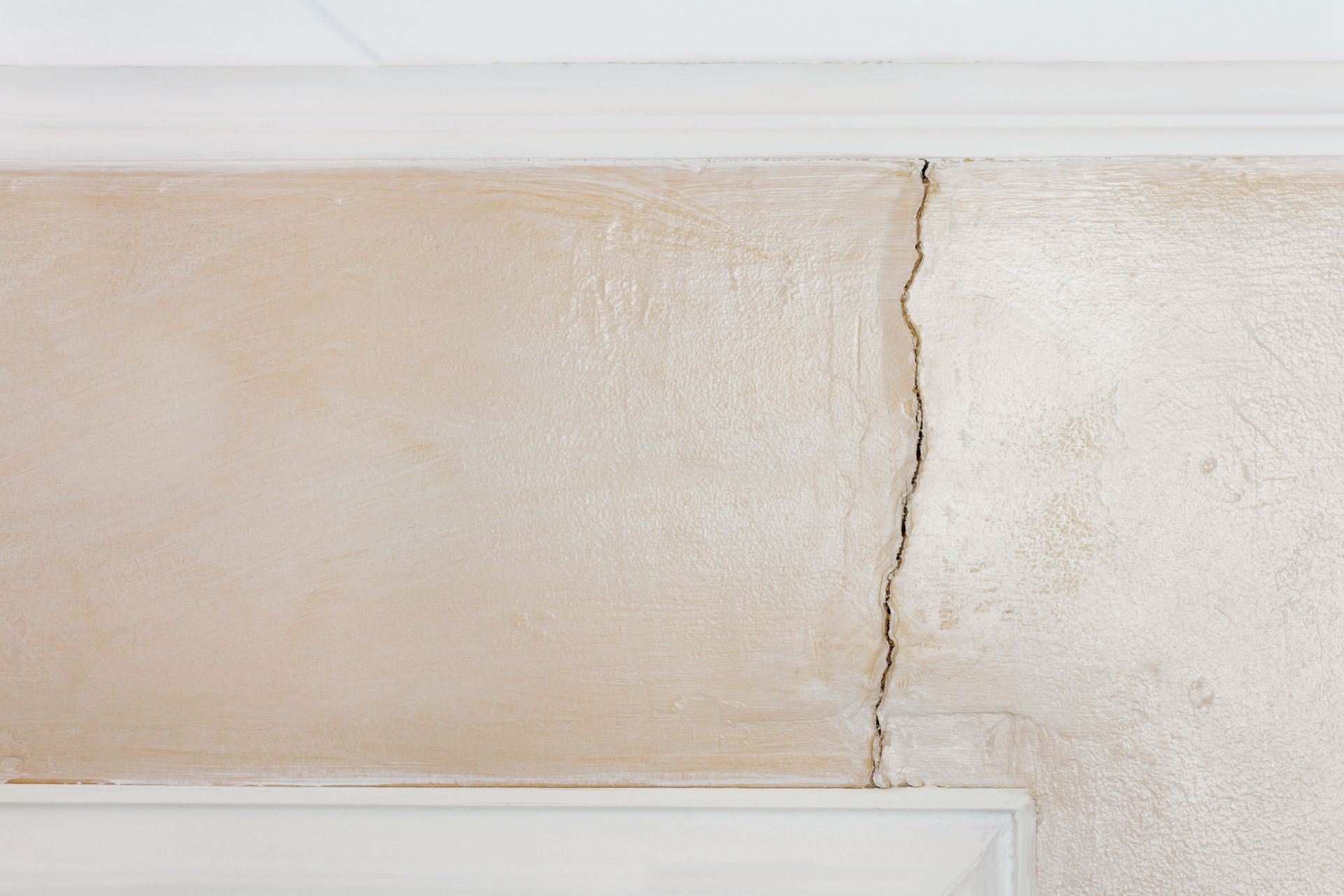
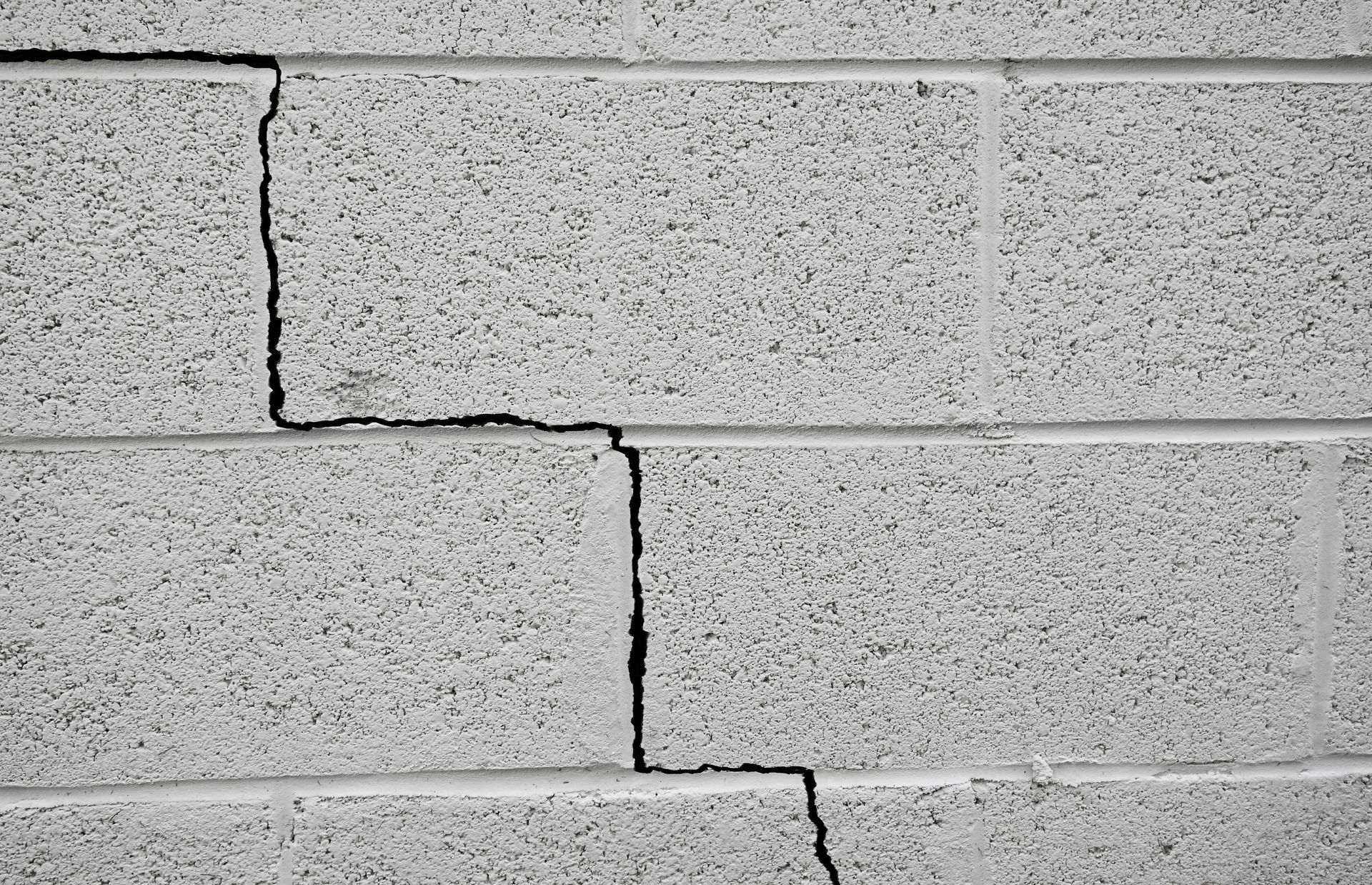
Every successful restoration project begins with a detailed assessment conducted by qualified structural experts who analyze the specific patterns of movement within the building. These professionals utilize advanced diagnostic equipment, such as hydrostatic altimeters and laser levels, to map out the precise elevations of the floor plan and identify exactly where the foundation has dipped. They also look for secondary indicators of distress throughout the interior and exterior of the property, including separated brickwork, displaced moldings, and gaps around window frames. This initial diagnostic phase ensures that the repair strategy targets the root cause of the failure rather than just treating the visible cosmetic symptoms.
During this evaluation, technicians from house leveling services also analyze the local soil conditions and the specific design of the foundation, whether it is a concrete slab or a pier and beam system. Gathering this data allows the team to calculate the exact amount of force and the specific placement of support structures required to stabilize the building safely. Homeowners receive a comprehensive diagnostic report outlining the degree of slope, the identified failure points, and a customized blueprint for the remediation work. Having a precise plan minimizes unexpected complications and establishes a clear roadmap for the upcoming mechanical adjustments.
Preparing the Excavation Site
Once the diagnostic phase concludes and the customized engineering plan is finalized, the crew initiates the vital physical preparation of the perimeter and underlying earth. Technicians carefully clear away landscaping, shrubs, and walkways adjacent to the foundation to gain unhindered access to the primary structural load points. They carefully dig excavation pits at designated intervals around the perimeter of the home, exposing the base of the concrete foundation or the existing support piers. This stage demands immense precision to ensure that utility lines, plumbing systems, and electrical conduits remain entirely undisturbed during the digging process.
Interior preparations are equally methodical, often requiring the temporary relocation of heavy furniture and the protection of floor surfaces in areas where internal piers might be required. If the property utilizes a crawl space, technicians clear out debris and install temporary supplemental shoring to guarantee a safe working environment underneath the rooms. This meticulous groundwork from house leveling services creates a secure environment for the heavy machinery and stabilization tools that will soon bear the immense weight of the building. Proper site preparation prevents accidental damage to the surrounding landscape and sets the stage for a smooth lifting operation.
Installing the Support Footings
With the excavation pits fully prepared, the installation of high-strength support mechanisms begins in accordance with the engineering specifications. Specialized hydraulic machinery drives heavy-duty steel piers or high-grade concrete cylinders deep into the earth beneath the existing foundation failure zones. These pilings are pushed down through the unstable upper layers of topsoil until they reach load-bearing bedrock or a highly compacted, stable soil strata that can support the weight. The depth of these piers varies significantly depending on the regional geography, sometimes extending dozens of feet below the surface of the ground.
Each installed pier is rigorously load-tested using hydraulic gauges to verify that it can comfortably withstand the immense downward pressure of the structure above it. Once the pilings achieve the required depth and resistance capacity, heavy steel brackets are securely fastened to the base of the home foundation. These brackets act as the primary connection points that will transfer the weight of the building from the unstable topsoil down to the deep piers. This crucial phase establishes the permanent underground network required to support the home before any actual lifting occurs.
Lifting the Settled Structure
The lifting phase represents the most delicate and highly anticipated segment of the professional house leveling services. Experienced technicians place heavy-duty hydraulic jacks onto the secure brackets attached to the deeply driven piers around the property. These jacks are connected to a centralized hydraulic manifold system, which allows a single operator to control the distribution of fluid and pressure with incredible precision. By distributing the lifting force evenly across multiple points simultaneously, the team prevents concentrated stress from cracking the rigid concrete structure.
As the hydraulic pressure slowly increases, the technicians carefully raise the low areas of the home back toward their original horizontal datum line. Operators monitor the structure continuously, watching the interior walls and using laser levels to ensure the upward movement occurs at a safe, gradual pace. During this precise elevation process, sticking doors often begin to swing freely again, and large drywall separations can visibly start to close. The ultimate objective is to achieve optimum structural equilibrium without causing undue stress to the remaining architectural components of the property.
Securing the Elevated Foundation
After achieving the desired elevation and level alignment, the technician team must permanently lock the structure into its restored position. The crew inserts heavy steel shims into the brackets atop the piers, effectively transferring the weight of the building onto the newly installed deep support system. This mechanical locking process ensures that the building will remain securely supported even after the hydraulic lifting jacks are depressurized and removed from the site. For homes built on concrete slabs, workers may also pump a specialized grout mixture beneath the floor to fill any empty spaces created by the lift.
This void-filling process provides uniform support across the entire bottom surface of the concrete floor, eliminating future vulnerabilities caused by pockets of trapped air. Technicians double-check all elevation points one final time to confirm that the permanent shims have settled perfectly under the load of the building. Securing the structure in this manner guarantees that the newly achieved balance will endure against seasonal moisture shifts and future soil movement. Homeowners can rest assured that the fundamental framework of their property is fully anchored to reliable earth.
Ultimately, addressing foundation issues through professional house leveling services is a structured, highly engineered process that requires specialized expertise, precise equipment, and careful execution. From the initial elevations mapping to the final site restoration, each phase plays a critical role in securing the physical and financial future of your home. Ignoring the early signs of settlement only allows minor cracks to evolve into severe structural failures that can compromise safety and diminish property value. Homeowners who take proactive steps to stabilize their properties are making a wise decision that ensures long-term structural health. If you have noticed sticking doors, sloping floors, or mysterious cracks appearing in your walls, do not wait for the damage to worsen. Contact Reliable Foundations today to schedule a comprehensive evaluation with our house leveling services and protect your most valuable asset with dependable expertise.