November 3, 2026
Older homes carry a charm that newer builds often struggle to match, from original hardwood floors to craftsmanship that reflects a different era. Beneath that character, however, the foundation has spent decades supporting the full weight of the structure while the ground around it swells, shrinks, and settles. Over time, those forces add up, and many homeowners eventually find themselves facing foundation repairs they never anticipated. Understanding why age makes a home more vulnerable can help you catch problems early, protect your investment, and plan ahead before small cracks turn into costly structural damage.
Years of Shifting Soil
Soil never stays perfectly still. Moisture levels rise during rainy seasons and drop during dry spells, causing the ground to expand and contract in a repeating cycle. A newer home has only experienced a handful of these cycles, but an older home has endured decades of them. Each round of movement places a little more stress on the foundation, and that cumulative pressure can eventually cause sections of the slab or piers to sink unevenly.
According to industry trends from bldr, roughly 5% to 10% of homes in the United States that are more than 30 years old show visible foundation problems that call for leveling, and shifting soil makes the issue worse in about 60% of regions across the country. That statistic highlights how closely home age and soil behavior work together. In areas with expansive clay soil or a high water table, such as much of southeast Louisiana, the ground can move even more dramatically, which makes regular inspections and timely foundation repairs especially important for homeowners with older properties.
Outdated Building Standards
Construction practices have changed considerably over the past several decades. Many older homes went up before builders had access to modern soil testing, engineered foundation designs, or today’s stricter building codes. Some builders poured slabs without adequate reinforcement, while others set pier and beam homes on shallow supports that never reached stable soil. These shortcuts may not have caused immediate trouble, but they left the structure with less margin for error as the years went by.
Homes built during certain eras also relied on materials and techniques that builders have since abandoned. Wood piers, for example, can rot when exposed to moisture, and older concrete mixes may lack the strength of modern formulations. When a professional evaluates an older home, they look closely at how the original foundation was constructed so they can recommend foundation repairs that address the root cause rather than just the visible symptoms.
Aging Drainage Systems
Water causes more foundation damage than almost any other factor, and older homes often have drainage systems that no longer work as intended. Gutters sag, downspouts disconnect, and landscaping settles in ways that direct rainwater toward the house instead of away from it. Over time, that excess moisture saturates the soil around the foundation, softening it and allowing the home to settle.
Underground plumbing presents another concern. Many older homes still rely on cast iron or clay sewer lines that can crack, corrode, or separate with age. A slow leak beneath a slab can wash away supporting soil for months or even years before anyone notices. By the time a homeowner spots uneven floors or cracked tile, the damage may call for extensive foundation repairs along with plumbing work. Addressing drainage and leak issues early helps limit the strain on the structure.
Deteriorating Foundation Materials
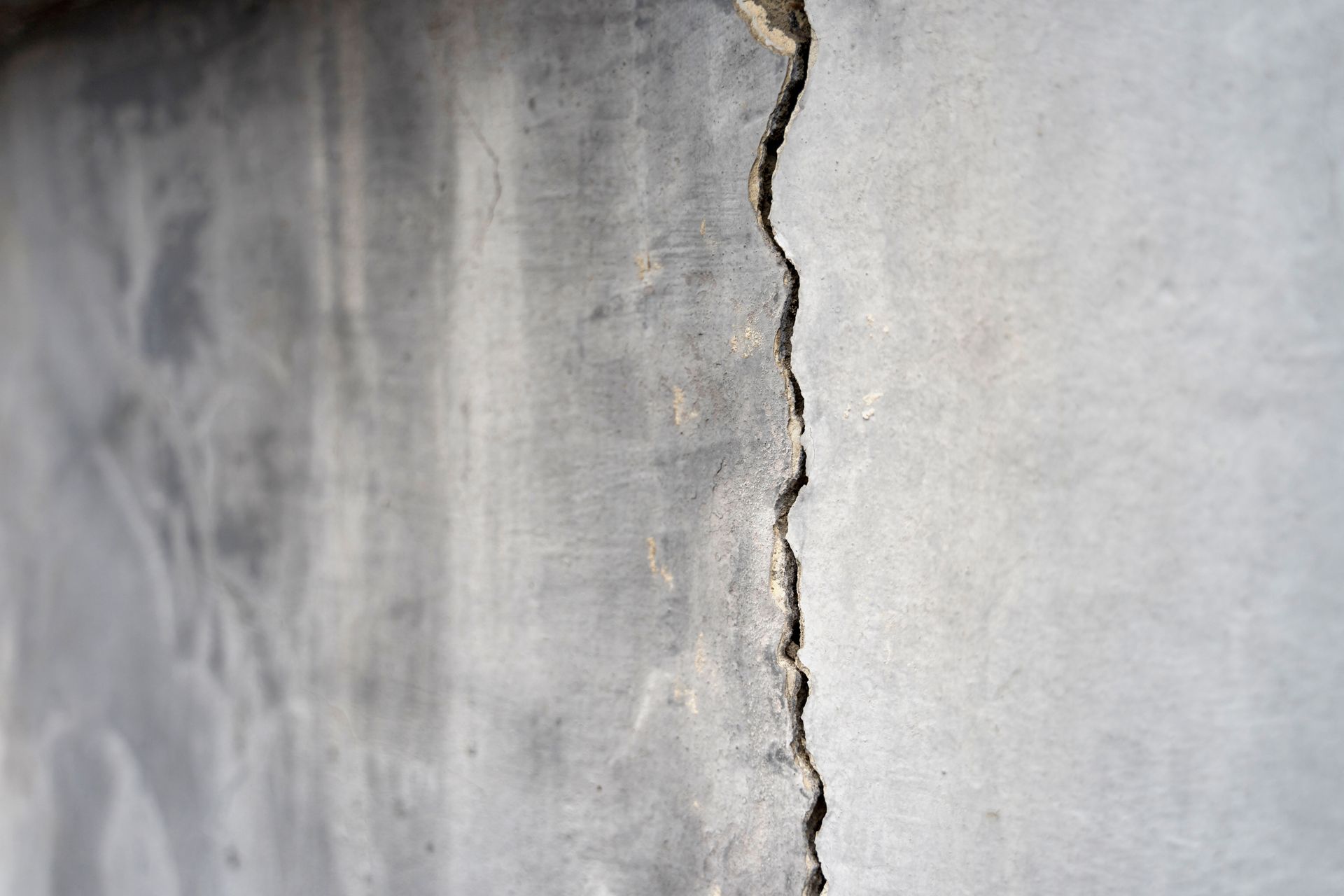
Even well-built foundations wear down eventually. Concrete can develop small cracks as it ages, and those cracks allow moisture to reach the steel reinforcement inside. Once that steel begins to rust, it expands and creates even more cracking, a process that can weaken the slab from within. In pier and beam homes, wooden beams and sill plates may suffer from rot, termite damage, or sagging after decades of carrying weight.
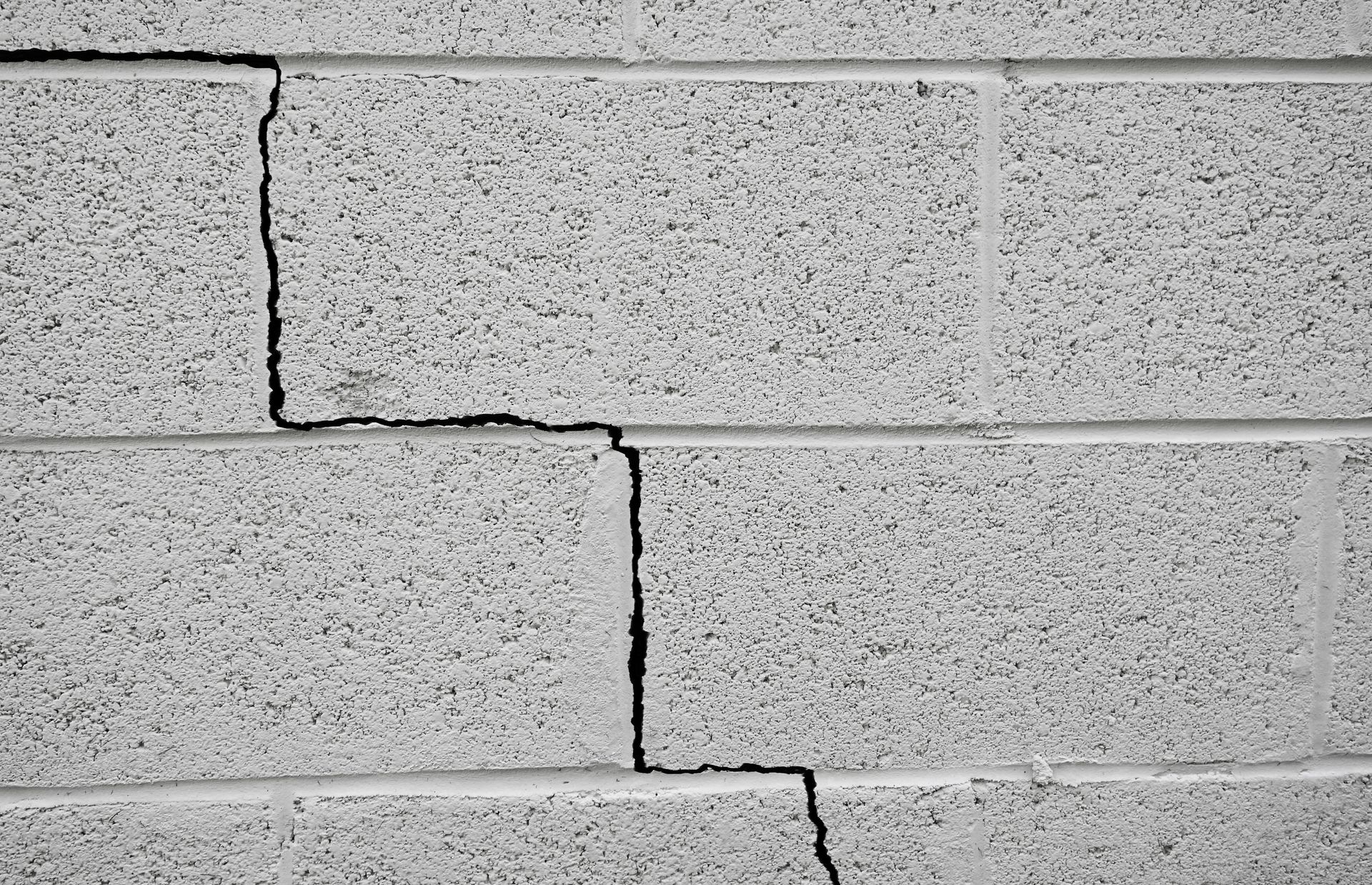
Masonry also shows its age. Mortar joints in brick foundations and exterior walls can crumble and erode, which reduces the strength of the wall and lets water in. These gradual changes rarely happen overnight, but they explain why an older home may suddenly start showing signs of trouble after years of seeming stable. Professional foundation repairs can restore support to weakened areas and help the structure carry its load safely again.
Growing Tree Root Systems
Many older neighborhoods feature mature trees that add shade, beauty, and curb appeal. Those same trees, however, can pose a risk to the foundation. As trees grow larger, their root systems spread farther and draw more moisture from the soil. During dry periods, this moisture loss can cause the soil beneath part of the home to shrink, leading to uneven settlement.
Roots can also push against foundation walls, lift sections of concrete, and damage nearby sewer lines. A sapling someone planted decades ago might now stand close enough to the house to affect its stability. If you have large trees near your home, consider having a professional assess whether they contribute to any movement you notice.
Overlooked Warning Signs
Because foundation problems develop slowly, homeowners often adjust to the changes without realizing what they mean. A door that sticks a little more each year or a crack that gradually widens can seem like a normal quirk of an older house. In reality, these issues often signal that the foundation has shifted.
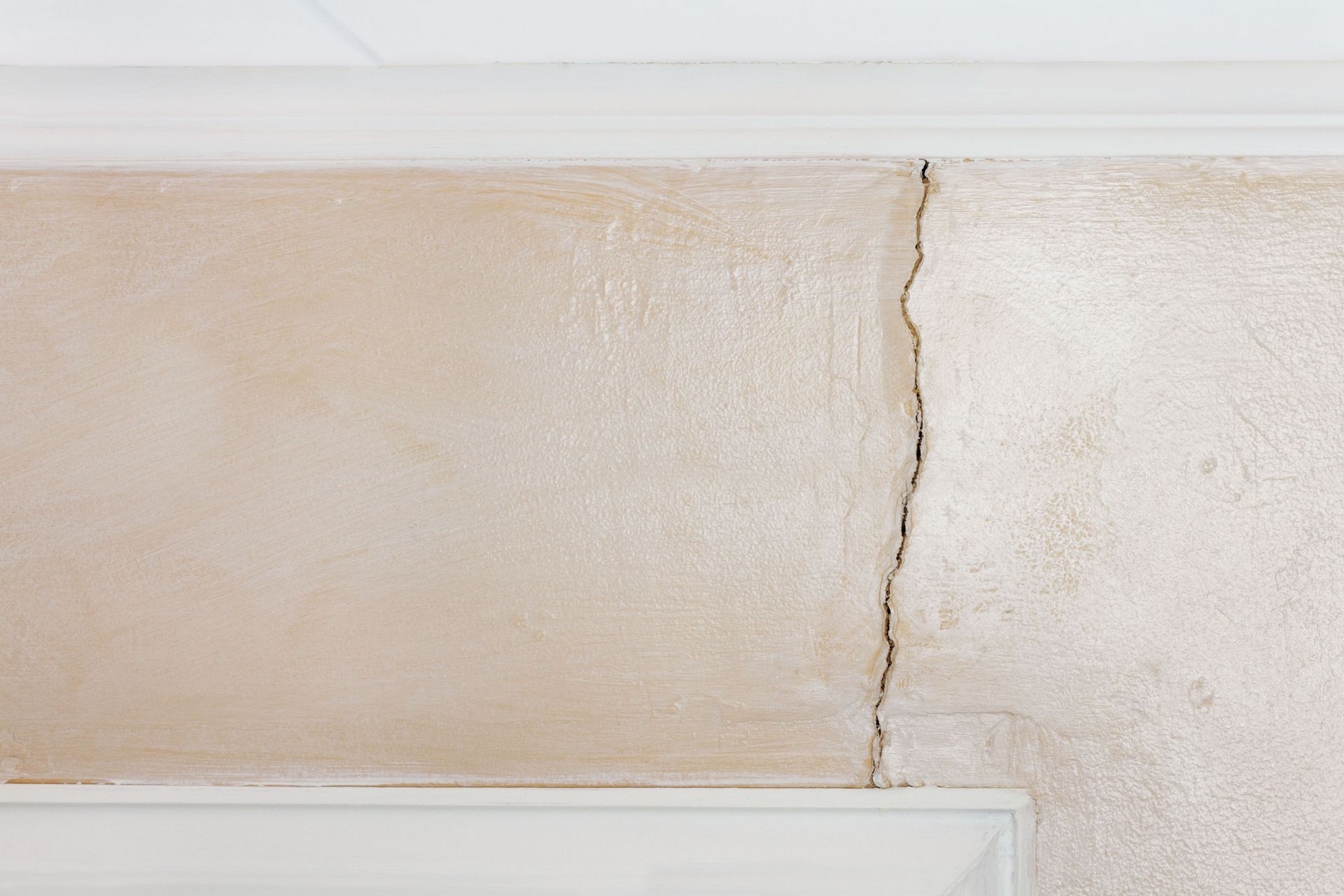
Common warning signs include sloping or uneven floors, diagonal cracks above doors and windows, gaps between walls and the ceiling, windows that no longer open smoothly, and cracks in exterior brick or the slab itself. You may also notice excess moisture in a crawl space or soft spots in the floor of a pier and beam home. Spotting these signs early gives you more options and typically makes foundation repairs less extensive. If you notice any of these symptoms, schedule an inspection rather than waiting to see whether the problem gets worse.
Proven Repair Solutions
The good news is that older homes with foundation issues can often regain their stability with the right approach. Professional contractors use a range of solutions designed to address different types of damage. Concrete push piers, for example, transfer the weight of the home to deeper, more stable soil, while house leveling raises sunken sections and brings floors back into alignment. For pier and beam homes, contractors can replace deteriorated supports, add new piers, and adjust beams to correct sagging.
Choosing the right method depends on the foundation type, the soil conditions, and the extent of the damage. That’s why it matters to work with experienced professionals instead of attempting DIY fixes. A qualified contractor can accurately diagnose the cause, recommend foundation repairs that fit your home, and complete the work safely. Professional work also typically comes with documentation and warranty coverage, which provides peace of mind and can add value if you ever decide to sell.
An older home deserves the same care and attention that helped it last this long. Decades of soil movement, outdated construction methods, aging drainage, and natural wear all place extra strain on the foundation, but staying alert to warning signs and acting quickly can keep a small problem from becoming a major one.
If you’ve noticed cracks, uneven floors, or sticking doors in your older home, we’re here to help. At Reliable Foundations, we provide professional foundation repairs, house leveling, and pier and beam foundation services throughout the Greater New Orleans area. We offer free, no-obligation estimates, and lifetime warranties are available. Contact us today to schedule your inspection.