July 2, 2026
Maintaining a strong foundation is crucial for both the safety of a home's inhabitants and its market value. Over time, structural issues can arise, potentially leading to significant damage if not addressed promptly. The impact of these problems is often reflected in property sales, where homes with evident issues experience sharp depreciation. Understanding and addressing these flaws is essential for homeowners to preserve the safety and economic value of their properties.
Understanding Structural Deterioration
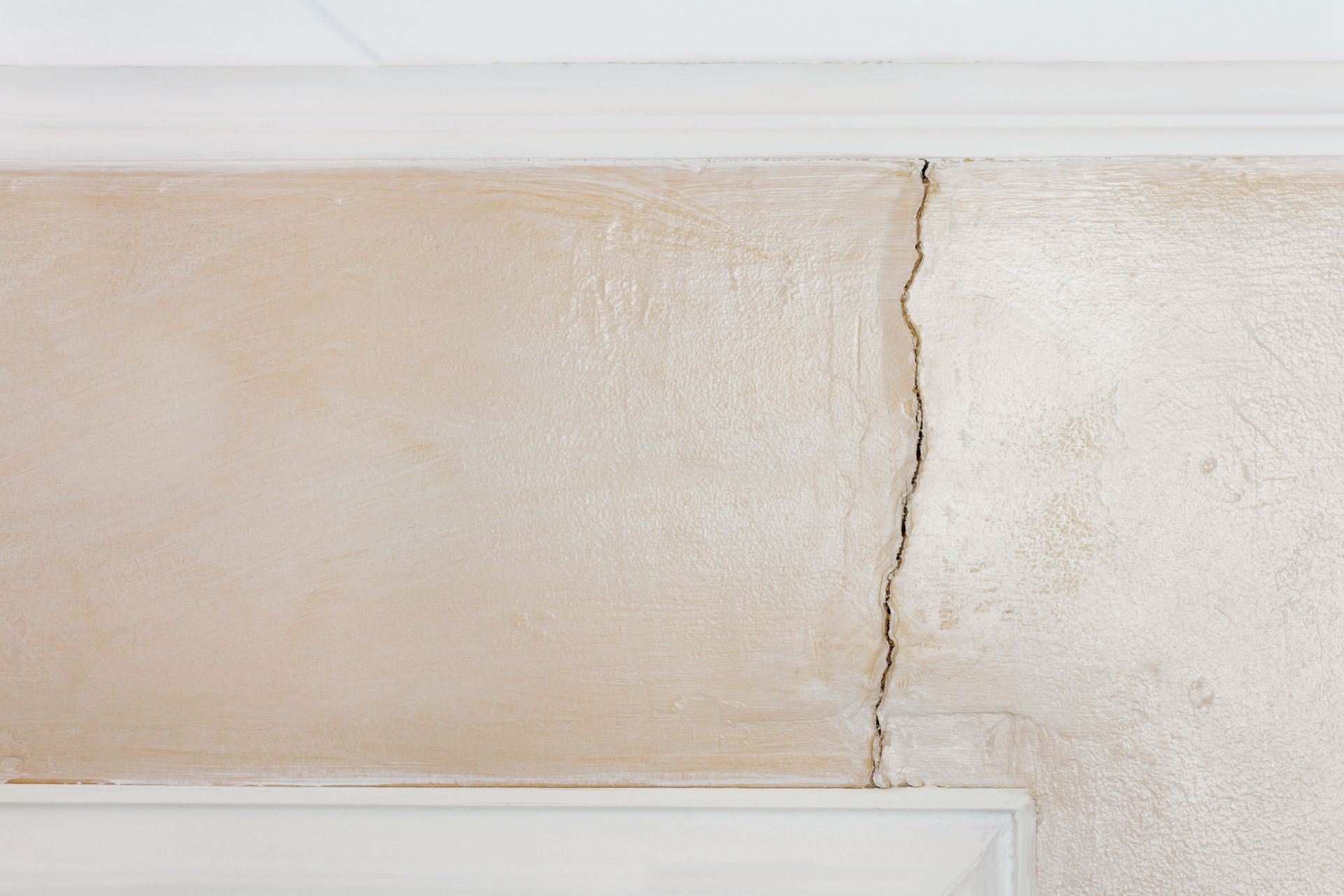
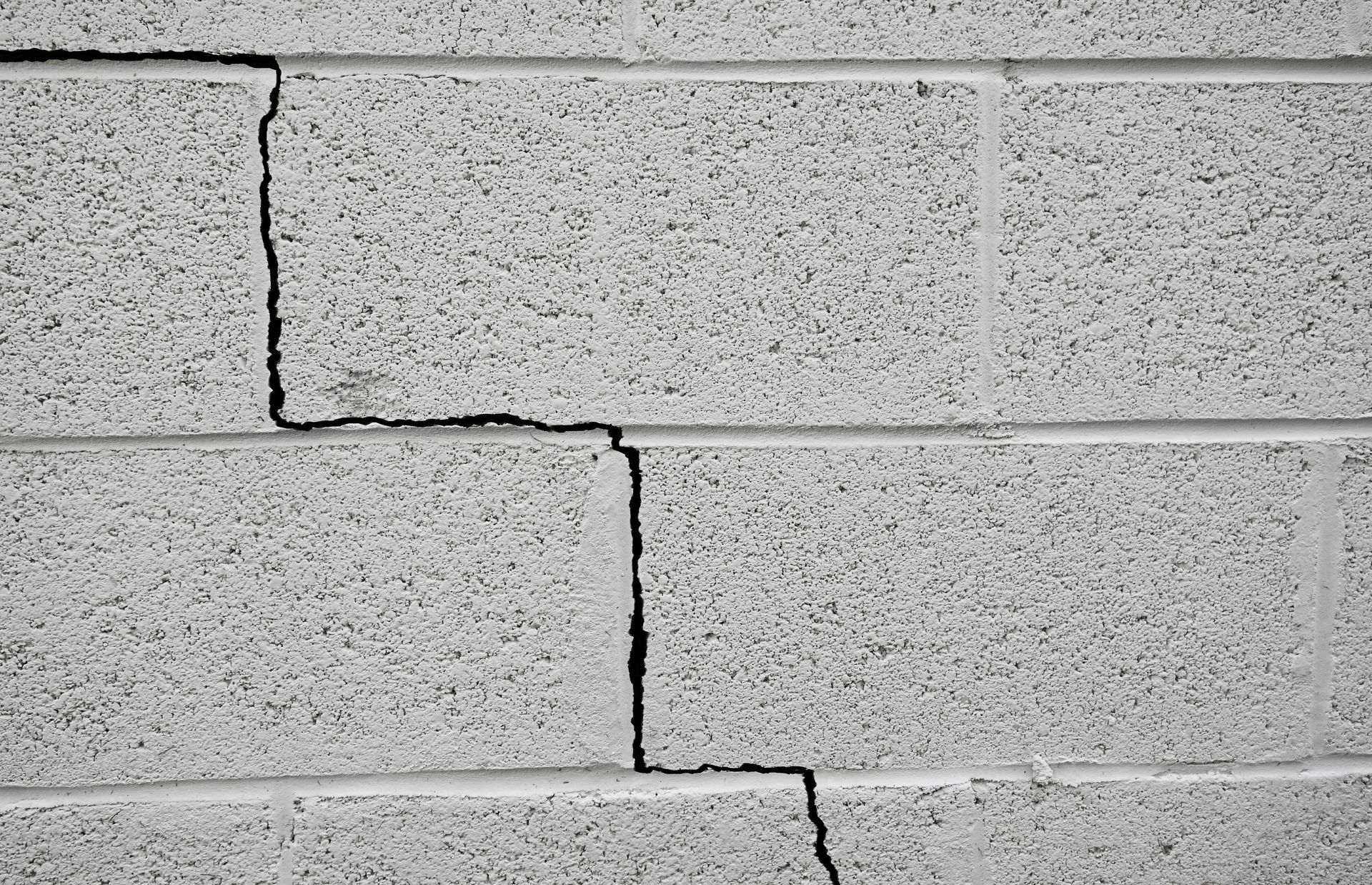
Foundation problems refer to defects that compromise the fundamentals of a building's structural support, including settling, shifting, and cracking. Settling occurs when the ground beneath the building moves, causing uneven support, while shifting often results from soil expansion or contraction due to moisture variations. According to This Old House, you should be worried about your foundation settling if you notice cracks wider than 1/8 inch. These symptoms indicate potential structural damage that requires specialized concrete foundation repair to preserve long-term habitability.
The most common cause of these issues is soil movement driven by moisture shifts, especially in expansive clay soils. Poor site drainage, plumbing leaks, heavy seasonal rain, and invasive tree roots all contribute to ground swelling or shrinkage. When these environmental pressures overwhelm a structure, seeking a professional assessment from a licensed structural engineer is critical. They utilize specialized tools to evaluate the extent of the movement and design an accurate intervention plan.
Structural deterioration rarely occurs overnight. Instead, it develops gradually as environmental conditions place repeated stress on the foundation system. Homeowners may first notice hairline cracks in drywall, slight separations around door frames, or floors that feel uneven underfoot. While these symptoms may appear cosmetic at first glance, they often signal deeper structural concerns below the surface.
Age can also contribute to foundation deterioration. Older homes may have been constructed using building practices or materials that differ from modern standards. Over decades, natural settling combined with changing environmental conditions can create vulnerabilities that eventually require attention. Regular monitoring helps identify these concerns early, reducing the likelihood of severe structural consequences.
Analyzing Property Value Decline
Ignoring structural issues can lead to substantial financial consequences, as minor cracks can quickly escalate into extensive structural failures. Real estate appraisers look closely at structural integrity, and evident damage inevitably results in a decreased appraisal. Properties with unaddressed flaws are frequently flagged during inspections, drastically reducing their marketability and deterring risk-averse buyers who fear hidden expenses.
This negative buyer perception creates severe selling challenges, forcing homeowners to either make substantial price concessions or watch their homes linger on the market. Real-life case studies show that homes with severe settling can see their market value discounted by over 30% to attract buyers. Investing in timely concrete foundation repair restores lost equity and provides certified warranties that reassure prospective buyers the home is stable.
Foundation concerns often influence negotiations long before a sale reaches closing. Buyers who discover structural issues during inspections frequently request repair credits, lower purchase prices, or additional evaluations from engineers. In some cases, financing may become more difficult to secure because lenders view significant structural defects as increased risks.
Even when a homeowner is not planning to sell immediately, unresolved foundation issues can affect long-term equity growth. As damage progresses, repair costs typically increase, reducing the return on investment when the property eventually enters the market. Taking corrective action early not only protects the home's condition but also helps preserve its competitive position among comparable properties.
Potential buyers often view foundation repairs more favorably when they have been completed by qualified professionals and are supported by transferable warranties. Documentation demonstrating that the issue has been properly addressed can significantly improve buyer confidence and help facilitate smoother transactions.
Mitigating Health and Safety Risks
A compromised substructure poses significant risks to a home's structural integrity, weakening walls, warping support beams, and creating unsafe living conditions. Over time, severe shifting can cause uneven floors and cracked surfaces, creating immediate trip hazards for occupants. Doors and windows may also stick or jam completely, which compromises emergency exit routes during a crisis.
Beyond structural failure, these defects can indirectly degrade indoor air quality. Gaps in the floor or walls allow exterior moisture to seep into the home, fostering mold growth that triggers respiratory issues. These same pathways can allow hazardous radon gas to enter living spaces. Neglecting these hazards exposes homeowners to severe legal liabilities and potential insurance complications, as standard policies often exclude damage caused by gradual earth movement.
Safety concerns extend beyond the visible signs of damage. As a foundation shifts, the stress placed on plumbing systems can cause pipes to crack or separate. Water leaks resulting from these failures can further weaken building materials and create additional opportunities for mold development. Electrical systems may also be affected if walls or ceilings begin to shift significantly.
Families with young children, older adults, or individuals with mobility limitations may face increased risks from uneven flooring and structural instability. Maintaining a stable foundation helps create a safer living environment while reducing the likelihood of accidents and costly emergency repairs.
In extreme cases, severe structural movement can compromise load-bearing components, placing the entire building at risk. Addressing warning signs as soon as they appear is one of the most effective ways to prevent dangerous situations from developing.
Implementing Modern Repair Solutions
Several advanced techniques exist for stabilizing a failing structure, ranging from traditional underpinnings to modern engineering interventions. Piering involves driving heavy steel or helical piers deep into the earth until they reach stable bedrock to support the shifting weight. For sunken slabs, slabjacking lifts the concrete back to its original level by pumping a specialized grout mixture beneath the surface.
Innovations in concrete foundation repair technology have drastically improved the durability of these fixes. Carbon fiber reinforcement grids are now frequently utilized to stabilize bowing basement walls without taking up valuable square footage. Choosing an experienced, licensed contractor who provides a comprehensive cost analysis and clear warranty terms ensures the repair lasts and safeguards the property investment.
Modern diagnostic tools have also transformed the repair process. Contractors can use laser leveling equipment, moisture detection technology, and advanced measurement systems to identify movement patterns with exceptional precision. These assessments help determine the most effective repair strategy while minimizing unnecessary work.
Many repair methods can be customized to suit the specific conditions affecting a property. Factors such as soil composition, foundation type, climate conditions, and the severity of movement all influence the recommended solution. A tailored approach typically provides better long-term results than a one-size-fits-all repair strategy.
Professional repairs often include ongoing monitoring and maintenance recommendations. This proactive approach helps ensure that the repaired structure remains stable and continues to perform effectively for years to come.
Executing Preventative Maintenance Strategies
Routine visual inspections remain the best defense against major structural failures, allowing homeowners to catch minor settling before it becomes catastrophic. Effective water management is equally critical; grading the soil around the perimeter ensures rainwater flows away from the structure. Gutters and downspouts must also be kept clean to prevent water from pooling near the base of the home.
Homeowners must also adapt their property care routines to match local seasonal climate variations. In dry seasons, controlled watering can prevent clay soils from shrinking away from the structure, while proper winter drainage prevents frost heaving. Educating oneself on these preservation methods drastically reduces the necessity for future structural interventions.
Ultimately, prevention is often far more affordable than major repairs. By combining routine inspections, proper drainage management, and prompt attention to warning signs, homeowners can significantly reduce the likelihood of serious foundation damage. Protecting the foundation protects the entire home, preserving both safety and long-term property value. For more information about the services that we offer, reach out to our incredible team at Reliable Foundations today!