December 30, 2025
This article explores essential maintenance practices recommended by foundation contractors to ensure the longevity and safety of your building's foundation. Proper maintenance can prevent costly repairs and structural issues. Many homeowners overlook foundation care, yet it plays a critical role in the overall health of a building. By understanding and implementing appropriate maintenance strategies, property owners can save themselves from future headaches and expenses. The guidance here is based on expert insights and aims to empower you with the knowledge to keep your foundation in top condition.
Concrete Slab Foundations
Concrete slab foundations are popular due to their economical and straightforward nature. However, they require diligent attention to moisture control, as excess water can cause the slab to shift or settle unevenly. It's crucial to ensure that water is directed away from the foundation to limit any potential damage. Cracks may appear over time, which should be addressed immediately to prevent further deterioration. Understanding the specific weaknesses of concrete slabs enables you to implement targeted maintenance strategies.
Maintaining even moisture levels around a concrete slab helps minimize the risk of expansion and contraction due to changing weather conditions. Paying attention to the soil condition is vital as overly dry or saturated soils can both pose challenges. Foundation shifts can be subtle, making regular inspections necessary to spot early signs of trouble. Utilizing tools such as levels and laser measures can help in maintaining a proper assessment of the slab's integrity. With proper care, concrete slabs can last for decades without major interventions.
The edges of a concrete slab are particularly vulnerable to moisture and erosion, which underscores the importance of proper drainage solutions. Ensuring that proper expansion joints are in place can mitigate potential issues from thermal and moisture-related expansion. According to This Old House, it is recommended to conduct visual inspections of your foundation at least twice a year, looking for signs of cracks, water intrusion, or other damage. This early detection can prevent small issues from burgeoning into costly repairs. By dedicating attention to these details, homeowners can enjoy the long-term benefits of a sound concrete slab foundation.
Basement Foundations
Basement foundations provide additional living or storage space, but come with their own set of challenges. Moisture is a common concern, often necessitating rigorous waterproofing protocols. Effective moisture control systems such as sump pumps and dehumidifiers, are essential to maintaining a dry environment. Regular inspection of basement walls for signs of efflorescence—a chalky deposit indicating moisture intrusion—is vital. Addressing leakages swiftly can prevent the development of mold and mildew.
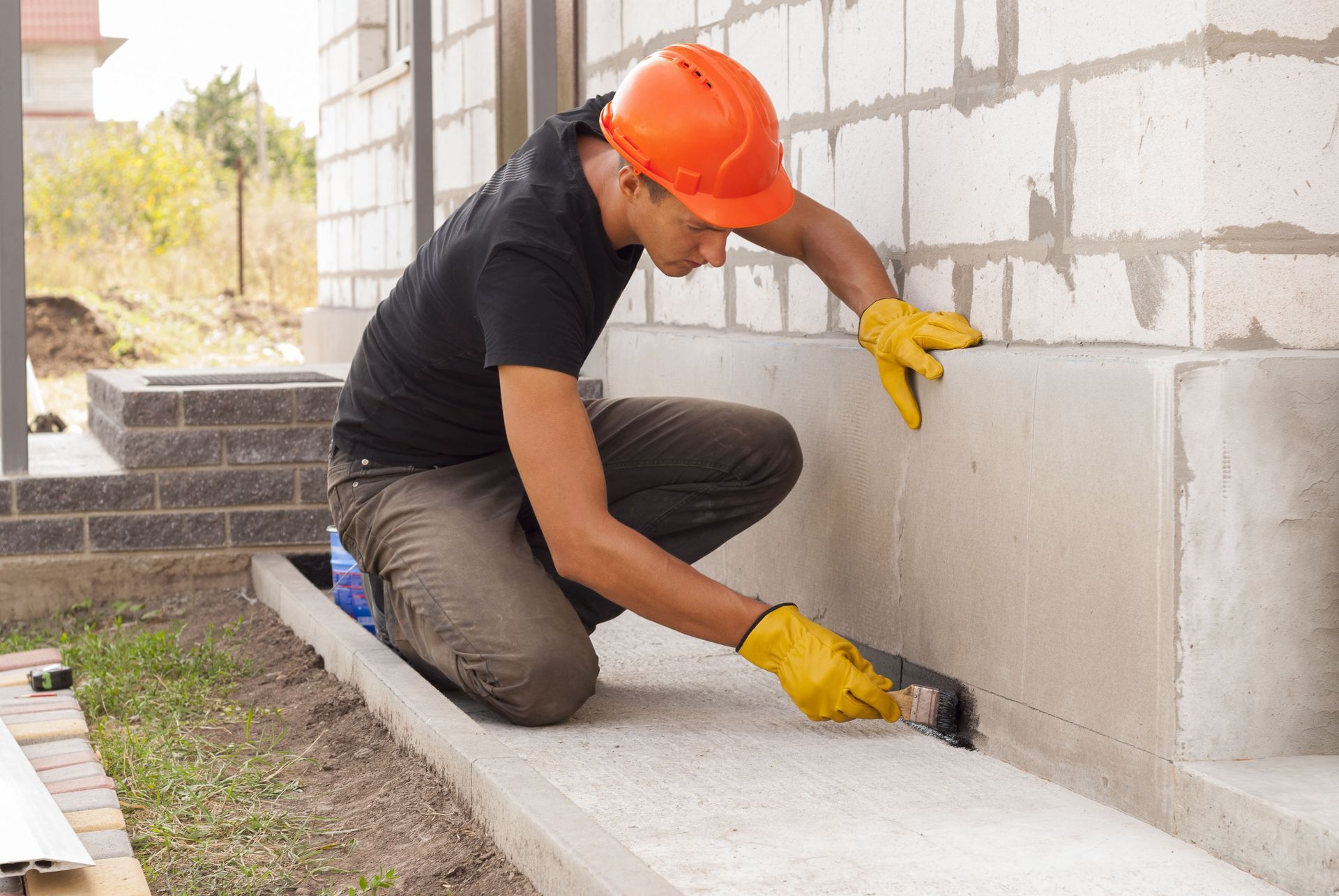
The structural integrity of basement walls plays a significant role in overall building health. It's essential to check for signs of bowing or cracking, which might indicate pressure from surrounding soil. Waterproofing measures, including applying sealant products and ensuring proper drainage, can mitigate basement-related risks. Basement walls should be insulated and treated to prevent thermal bridging, which can contribute to condensation and mold growth. Understanding and addressing weaknesses in the basement foundation can protect your property from a host of moisture-related issues.
Crawl Space Foundations
Crawl space foundations allow easy access to utilities but require specific upkeep to prevent moisture and pest problems. The exposed nature of a crawl space makes it susceptible to environmental conditions, necessitating careful management. Ensuring proper ventilation is key to preventing moisture build-up, which can lead to wood rot and mold development. Crawl space encapsulation, involving sealing with vapor barriers and insulating, can protect against humidity and temperature changes. Regular checks for debris and pest infiltration should be conducted to maintain a clean space.
Another critical aspect of crawl space maintenance is ensuring the soil underneath remains compact and dry. Grading and drainage techniques play an important role in directing excess moisture away from the foundation. Keeping vegetation at a distance can help avoid excessive humidity caused by plant transpiration and shading. By installing screens or barriers, homeowners can deter pests that may develop nests and cause structural damage. A balanced approach to temperature, moisture, and pest concerns ensures crawl space stability and longevity.
Pier and Beam Foundations
Pier and beam foundations utilize piers to elevate the building structure and allow for a crawl space underneath, offering some advantages over slab foundations such as ease of access to plumbing. However, these foundations can suffer from moisture and pest issues if not properly maintained. Some signs of foundation issues include sagging floors or problems with doors and windows aligning. Proper drainage and adequate ventilation underneath the structure must be ensured to prevent moisture accumulation. Regular inspection of wooden beams for signs of decay or pest infestation is important for structural safety.
Moisture poses the largest risk to pier and beam foundations, as it can lead to shifts and instability. Effective drainage solutions, such as french drains and gutters direct water away from piers and prevent undermining. Additionally, beam encapsulation can deter moisture-related decay and enhance structural integrity. Pest management strategies should prioritize preventing access and early detection, given the vulnerability to termites and rodents. In a similar way, preventive maintenance and routine inspections play vital roles in ensuring a stable foundation.
Special Considerations for Hybrid Foundations
Hybrid foundations often combine aspects of both slab and pier-and-beam infrastructure, requiring a unique approach to maintenance. This combination can provide added stability, but also demands vigilant monitoring for indicators of both settling and moisture issues. Employing tailored strategies based on the hybrid foundation design's specific components is key for effective maintenance. Understanding the nature of your foundation is vital; what works for one part may not be appropriate for another. Diligence in regular inspection ensures early detection of potential weak points unique to hybrids.
Given the uniqueness of hybrid foundations, consultation with experts familiar with the complexities can guide proper upkeep strategies. Moisture control remains crucial; ensuring that all parts of the foundation have appropriate drainage and are adequately sealed. Problems in one section can impact the other, so comprehensive solutions are necessary to maintain structural harmony. Regular reinforcement of hybrid connections and transitions guards against damage caused by differential movements within the structure. Understanding and embracing the hybrid's intricacies aids in long-term stability and peace of mind.
Common Signs of Foundation Problems
Identifying early signs of foundation problems can save homeowners a significant amount of money and stress. Some common indicators include cracks in walls or floors, sticking doors or windows, and uneven floors. When these signs present themselves, they often worsen over time, so prompt evaluation and intervention are advisable. The presence of moisture or mold can indicate water intrusion and should be addressed without delay. Recognizing these signs early reduces the risk of costly structural repairs down the road.
Other subtle signs include unexplained gaps between bricks or masonry joints, which could suggest foundation movement. When the slope of a floor becomes noticeable or doors misalign, the underlying problem is often with the building's foundation. Identifying these signs requires a practiced eye, further emphasizing the necessity of regular maintenance and inspections. Small foundation cracks, unless promptly sealed, can enlarge and compromise the structural integrity. Addressing these seemingly minor issues promptly can prevent escalation into major repairs.
Scheduling Professional Inspections
While doing your inspections is crucial for maintenance, scheduling professional assessments adds another layer of protection. Experts possess knowledge and tools to spot nuanced issues that might escape an untrained eye, providing a more comprehensive understanding of a foundation's condition. Scheduling these inspections annually ensures that any newly developed problems are identified during routine checks. Professionals offer remedies and forecasts based on their assessments, giving you strategies for addressing current issues and preventing future ones. Building a relationship with a reliable contractor ensures continuity in care and maintenance.
Professional inspectors often employ sophisticated equipment, including infrared cameras and specialized moisture detectors, to uncover hidden troubles that might not be visually apparent. Their expertise enables them to discern between cosmetic cracks and those indicating severe structural issues, providing clarity and peace of mind. Routine visits establish a preventative approach instead of reactive panic responses. Recommendations from experts carry weight in determining the urgency of intervention, allowing rational budget allocations for necessary work. Trusting expert assessments complements home maintenance routines, underpinning a strong foundation strategy.
Consistent foundation maintenance tailored to your specific foundation type is essential for preserving structural integrity and avoiding costly repairs. By staying alert to early warning signs, managing moisture effectively, and following best practices recommended by foundation contractors, homeowners can significantly extend the life of their foundation. Pairing routine self-checks with professional inspections provides peace of mind and ensures your building remains safe, stable, and well-protected for years to come. For a professional
foundation contractor you can count on, contact Reliable Foundations today.